- From the Community
- May 19, 2026
MS: The Weight, the Truth, and the Hope
Written by Jaclyn Scrimshaw
Imagine yourself in an emergency room. Partially blind in one eye and numb from the neck down. You can't feel your body, and you have no idea what’s happening inside you. You’re terrified. Instead of answers, the doctor advises you to see a psychiatrist. That was me at the start of a long, confusing stretch that so many of us who live with MS can attest to… being dismissed, told it's "stress," told it's “all in your head," while your body pleads for help.
Maybe you know a little about multiple sclerosis. Maybe someone you love has it, or you've come across stories online or in the news.
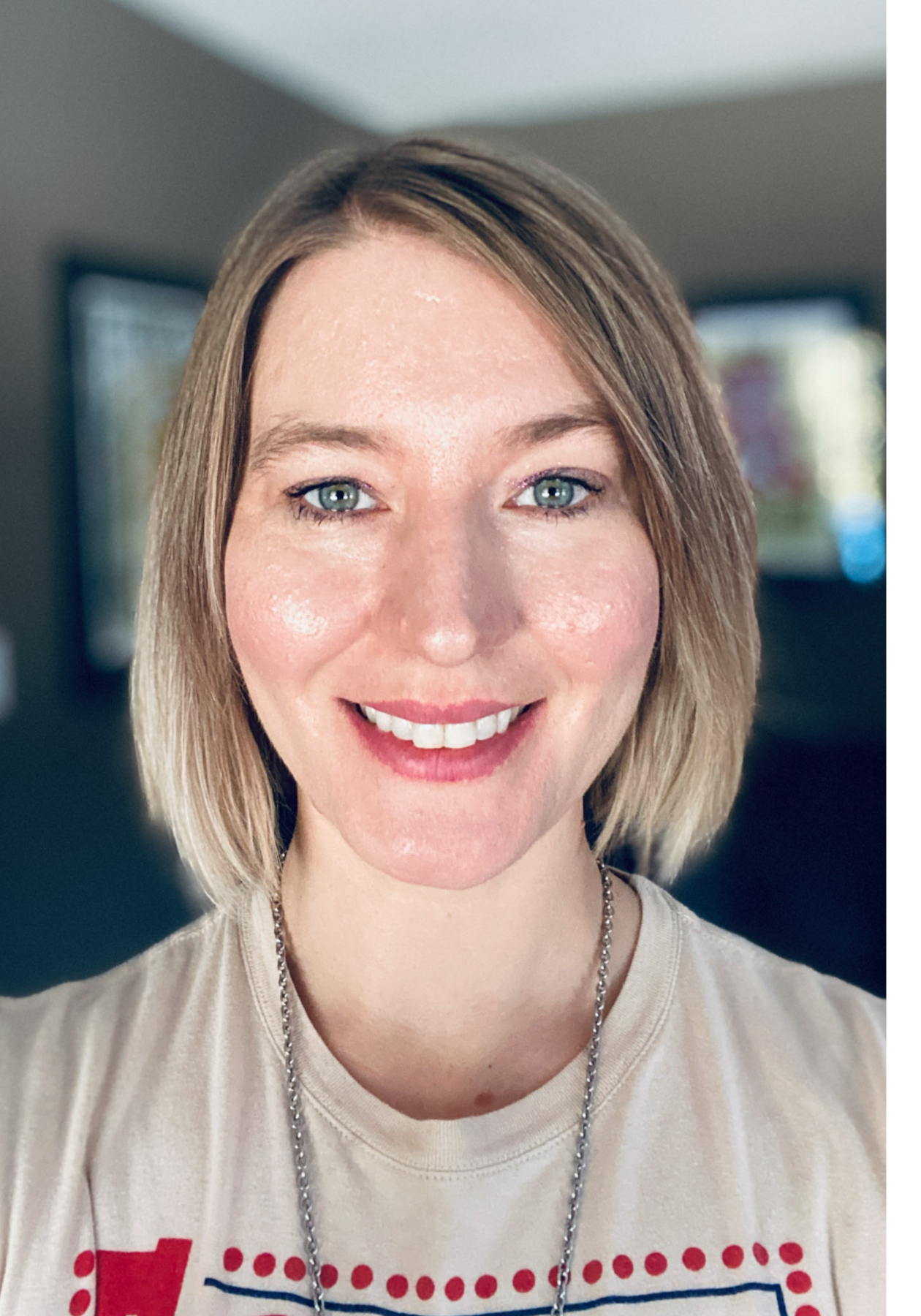
In 2004, I was just sprouting my wings. I'd graduated from SAIT's radio program, where I found my voice and met the man who would become my husband. I started working in radio, with my whole future buzzing in front of me.
When I left that job for a morning show spot, it felt like the natural next step in building my radio career. The kind of move everyone in the industry made. At first, the little slips on air felt like nerves or early morning fog. I kept brushing them off. Everyone's tired at 5:30am in the morning, right?
It was during this time that the electric zingers in my body began. A physiotherapist told me it was from running, that lots of people felt that way. Still, the tingling on my right side kept returning, and I kept blaming the mornings, the schedule, anything but my body.
When we moved a year later, for another radio job, newly married and settling into our life, nothing eased. That's when the optic neuritis hit my right eye, leaving it partially blind. They mentioned MS but said you needed three "attacks" and an MRI for a diagnosis… so I was left in limbo, scared and waiting, trying to live normally while everything inside me felt wrong. Eventually, in 2010, I had no choice but to go on medical leave.
Months later, an MRI finally showed the lesions, and I received the gut-wrenching diagnosis: relapsing remitting multiple sclerosis (RRMS). I was 26 years old.
Most people are diagnosed with RRMS in the prime of their young lives. Your body's own immune system attacks you. Vision blurs, words disappear, limbs go numb or weak. Then things ease, but the damage stays.
Another hard truth: MS is progressive. For some, it stays relapsing-remitting. For others, it marches into secondary progressive or hits initially as primary progressive, disability moving forward day after day without mercy.
That's the cruelty of it. It's not the attacks; it's the disability itself, getting heavier, taking more, always moving forward. MS doesn't land the same way for everyone. The damage shows up differently, and no two bodies feel this disease the same from the inside.
The truth is, the first thing I lost wasn't my plans. It was my own body, my own mind. Fatigue shaped everything, and it still does.
MS fatigue is the biggest invisible symptom most people with MS suffer with every day, and it's quite debilitating.
It's brutal jet lag mixed with a hangover and thick brain fog. Full-body heaviness like a terrible flu that never lifts, no sleep or coffee touches it.
As my body changed, so did my need for mobility support. A cane on the unsteady days, a shower stool when standing was too much, grab bars so I could feel safe. Some people rely on wheelchairs every day, while some don't use any support at all. Each change brings its own mix of loss and adjustment.
Eventually, even driving became too much, and my world shrank again. I couldn't keep up with anyone's pace, not meeting up with friends, not having the energy for even a short phone call. People drifted - illness has a way of doing that.

While some people slipped away, one person didn't - my husband, Rob. When my world, and then our world got smaller, he stayed. He became a caregiver in ways neither of us imagined. We're not alone in that.
In the MS community, there's a whole second group living this story. It’s the partners, parents, kids, and friends who become caregivers. For so many of us, it's the person we share a home with who carries the heaviest load. They don't just support us emotionally, they often carry the weight of a life that suddenly costs more to live.
It’s estimated that about 60-80% of Canadians with MS eventually leave the workforce – when this happens, life doesn’t just shrink, it gets harder to afford.
For many of us, help doesn't come from a strong, dependable system. It comes from the people we love, if we're lucky enough to have them. Government support exists, but it's limited, confusing, and buried behind forms, criteria, and the vague category of "only if you qualify." The new disability tax credit is a step in the right direction for those like myself who need that support.
MS is lifelong, and there's no cure. That’s the reality. Inside that truth however, there's a small, steady light.
2026 might genuinely be the best time in history to be living with this neurological disease. There are more treatments than ever to slow progression, more medicines aimed at easing symptoms, and research that's closer than ever to repairing damage in the brain and spine.
Even if some repair treatments are still in trials, there's real movement toward a future that looks different. A future where MS may one day be something we can undo.
While we wait for that future, we're not doing it alone.
We have medical angels in our corner. The researchers, neurologists, nurses, pharmacists, and specialists who keep showing up. The ones who fight for us, who believe in better, even on the days we can't.
This life asks so much of us, and still we keep going.
MS doesn't just change a body, it changes a whole life. It reshapes futures, relationships, choices, and all the quiet moments no one ever sees.
Behind every version of this disease is a person trying to live a life that keeps shifting beneath their feet.
If you're living with MS, or loving someone through it, I see you. I see the strength it takes to get through an hour, let alone a day. I see the grief you don't speak aloud, the adjustments you never wanted to make, and the courage it takes to keep moving anyway.
If you've never lived this, but you're reading these words, my hope is that something softens in you.
That the next time you cross paths with someone carrying this disease, you pause long enough to understand that their world is heavier than it appears.
This is the truth of MS. The weight, the losses, and the quiet hope that still flickers.
Every one of us living inside this disease is doing the very best we can to survive, and to keep going in whatever way we're able, each and every day.
- Log in to post comments