Dr. Nabeela Nathoo
Neurologist, University of Alberta
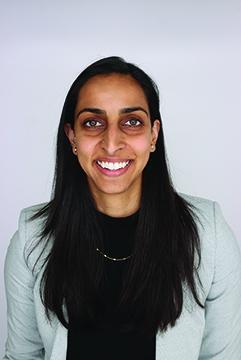
Dr. Nathoo completed her BSc, MD, and PhD in Neuroscience at the University of Calgary. Her PhD thesis used susceptibility weighted MRI in the EAE mouse model of multiple sclerosis (MS) under the supervision of Drs. Jeff F. Dunn and V. Wee Yong which was funded by MS Canada. She completed her Neurology residency training at the University of Alberta. She subsequently completed a 2-year MS fellowship at Mayo Clinic (Rochester), receiving additional clinical training in MS, neuromyelitis optica spectrum disorder (NMOSD), myelin oligodendrocyte glycoprotein antibody-associated disease (MOGAD), neurosarcoidosis, histiocytosis involving the nervous system, and undifferentiated neuroinflammatory diseases.
She is currently a neurologist and researcher in the Division of Neurology in the Department of Medicine and a member of the Neuroscience and Mental Health Institute at the University of Alberta. She also remains a formal research collaborator with Mayo Clinic. Her research interest lies in the use of advanced MRI methods to investigate differences in pathology in underrepresented populations with MS.
What is the focus of your research? How did you become interested in MS research?
My research focus is two-fold. I am interested in underrepresented populations with MS and how their clinical and imaging features differ from better understood populations with MS. Often those from underrepresented populations have different risk factors for developing MS and can have more aggressive MS, and hence it is important to study them – to understand their disease better, to get a better understanding of MS overall, and to optimize care for all living with MS. My second interest is in the application of advanced/special MRI methods in MS, which can help us understand MS disease processes better. This includes special methods for iron and myelin detection in the brain and spinal cord.
I have been involved in MS research for the last 15 years starting with my PhD when we were using susceptibility weighted imaging in a mouse model of MS to characterize lesions better. The advances in the field and motivation of researchers and patients alike to work towards finding a cure for MS is inspiring and have been the reasons I have remained in this field for several years.
What inspires you to continue advancing research in this field?
The advances in MS research have been staggering since I started in this field 15 years ago. Our ways of diagnosing and treating MS have evolved so much and I have had the privilege of getting to see how the lives of people living with MS has changed drastically because of these advances. Nonetheless, we do not have a cure for MS and do not fully understand MS in all of the populations it affects – these factors motivate me to continue to advance research in the field.
How do you hope to change the lives of people living with MS through your research?
I hope to improve the diagnosis and management of persons living with MS that are underrepresented in clinical studies including clinical trials till now. We have a very diverse population of persons living with MS in Canada and it will be of benefit for all to understand these peoples’ disease better. I am also hopeful that my work on advanced MRI methods will help improve our diagnosis and monitoring of disease in all persons living with MS.
What do you enjoy most about your research? What are some of the challenges you face?
It is one of the most fulfilling parts of my job when I have a question posed by a person living with MS that I see in the clinic that I am able to answer based on research I have done myself or been part of. The most challenging parts of research and being an MS neurologist involve the questions I cannot answer, and situations where I have met persons living with MS who were diagnosed before we had disease modifying therapies available to treat them. Not being able to answer questions is what motivates me to continue pursuing research. For those whose lives, wellbeing, and function are affected by their MS diagnosis, I try to provide support however possible to improve their quality of life.
How important is the support from MS Canada in your research?
I have had the good fortune of being funded by MS Canada since I was in my PhD over a decade ago and feel incredibly fortunate to have received funding and support from MS Canada as an independent researcher now. This funding will enable my research to take off as I build my lab as an early career researcher. I am optimistic that the findings from this work funded by MS Canada will impact the lives of persons living with MS throughout the country.