- From the Community
- June 22, 2026
Creating Space for Connection in our 2SLGBTQI+ MS Support Group
For many people living with MS, one of the most powerful forms of support is connecting with someone who understands. For those who are also part of the 2SLGBTQI+ community, finding spaces where they feel seen and understood can make a meaningful difference.
Our virtual 2SLGBTQI+ MS Support Group is a welcoming, peer-led space for people living with MS to connect, offer advice, and meet others who share both an MS diagnosis and the experience of navigating their gender identity or sexual orientation. Through open conversations and mutual respect, the group helps create a sense of belonging and builds connections with those who truly understand what it’s like living with MS.
In this blog, we hear from Dario, group facilitator, and Ksenia, group member, as they share their experiences with MS, what inspired them to get involved in the 2SLGBTQI+ MS Support Group, and the impact it’s had on their journeys.
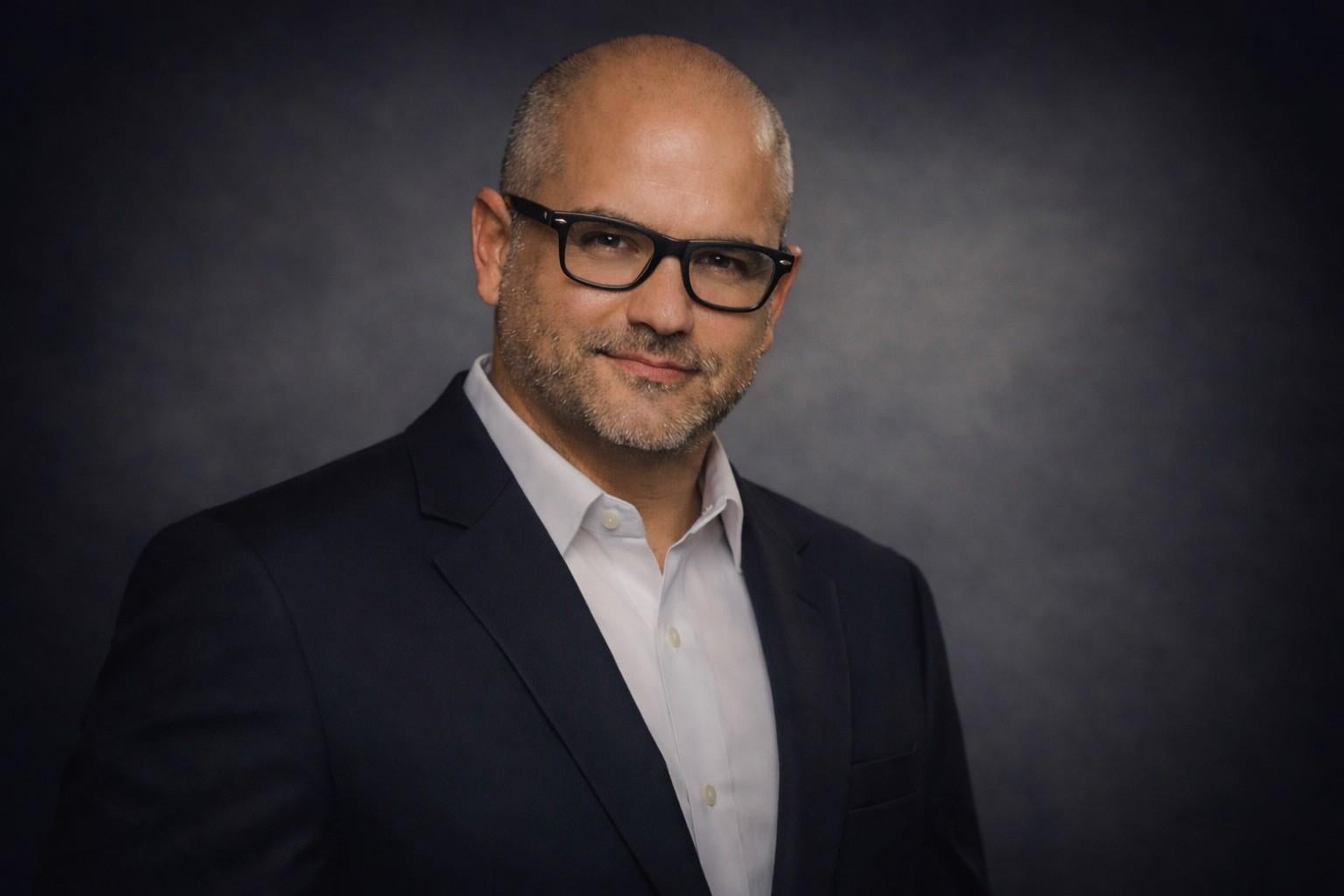
Meet Dario
Like many people living with MS, Dario has learned that uncertainty and accepting the unexpected is one of the hardest realities of his diagnosis.
After experiencing a sudden episode of unexplained double vision, he was diagnosed with MS three months later. “While the initial diagnosis was terrifying, I had no idea what to expect going forward,” Dario recalls, “I’ve received incredible support from my loving partner, family, and healthcare team.”
As Dario became more involved in the MS community, he noticed a need for a dedicated space for those in the 2SLGBTQI+ community who live with MS. A space where they could meet other people who share similar experiences.
“The MS community itself is a niche, and when we add the 2SLGBTQI+ population, it creates a more specific group who might face additional accessibility challenges and stigma,” noted Dario, “I wanted 2SLGBTQI+ community members to feel comfortable sharing their own challenges and felt nobody should feel alone on their MS journey.”
He connected with an MS Canada team member, and together they worked on creating a support group for those living with MS in the 2SLGBTQI+ community to come together.
Creating a space where people in the 2SLGBTQI+ community feel safe sharing about their gender identities and sexual orientations meant creating guidelines for the group based on privacy and mutual respect. Topics discussed usually focus on treatment options, personal MS journeys, and coming out stories. Since the support group meets virtually, Canadians from across the country can take part and connect with others who share similar experiences.
For Dario, empowerment is the most important aspect of the group,
“Having a dedicated space for people in the 2SLGBTQI+ community helps empower them to have deeper conversations with their medical team and to never be afraid to ask for help,” said Dario. “Although I’m fortunate to have an amazing medical team supporting me, some 2SLGBTQI+ community members still fear disclosing who they truly are because of potential discrimination,” he shared.
Meeting others through the group has had a positive impact on Dario’s own MS journey. “I’ve developed a great support system and built friendships with group members that help me navigate my personal and professional life,” he explained.
Dario hopes his story reminds others that an MS diagnosis doesn’t define who they are, especially with the treatment options, support, and resources available. While living with MS can be challenging, he wants people to know they're never alone on their journey.
“There’s always someone out there who loves you and knows how important you are,” Dario shared. “We need to come together as a community and raise our flags with hope, compassion, and confidence.”
Meet Ksenia
It’s been almost 15 years since Ksenia was diagnosed with MS, but she still remembers the moment everything changed.
She’d just turned 18 and was on a camping trip with her family when one side of her body suddenly went numb for the first time. After returning home, her family feared she might have experienced a stroke. She had brain imaging scans and other tests done before receiving an MS diagnosis just a few months later. “In a way, I’m lucky my symptoms were so clear cut from the start, and I was able to receive my diagnosis quickly,” shared Ksenia, “I know for a lot of people it takes much longer than that.”
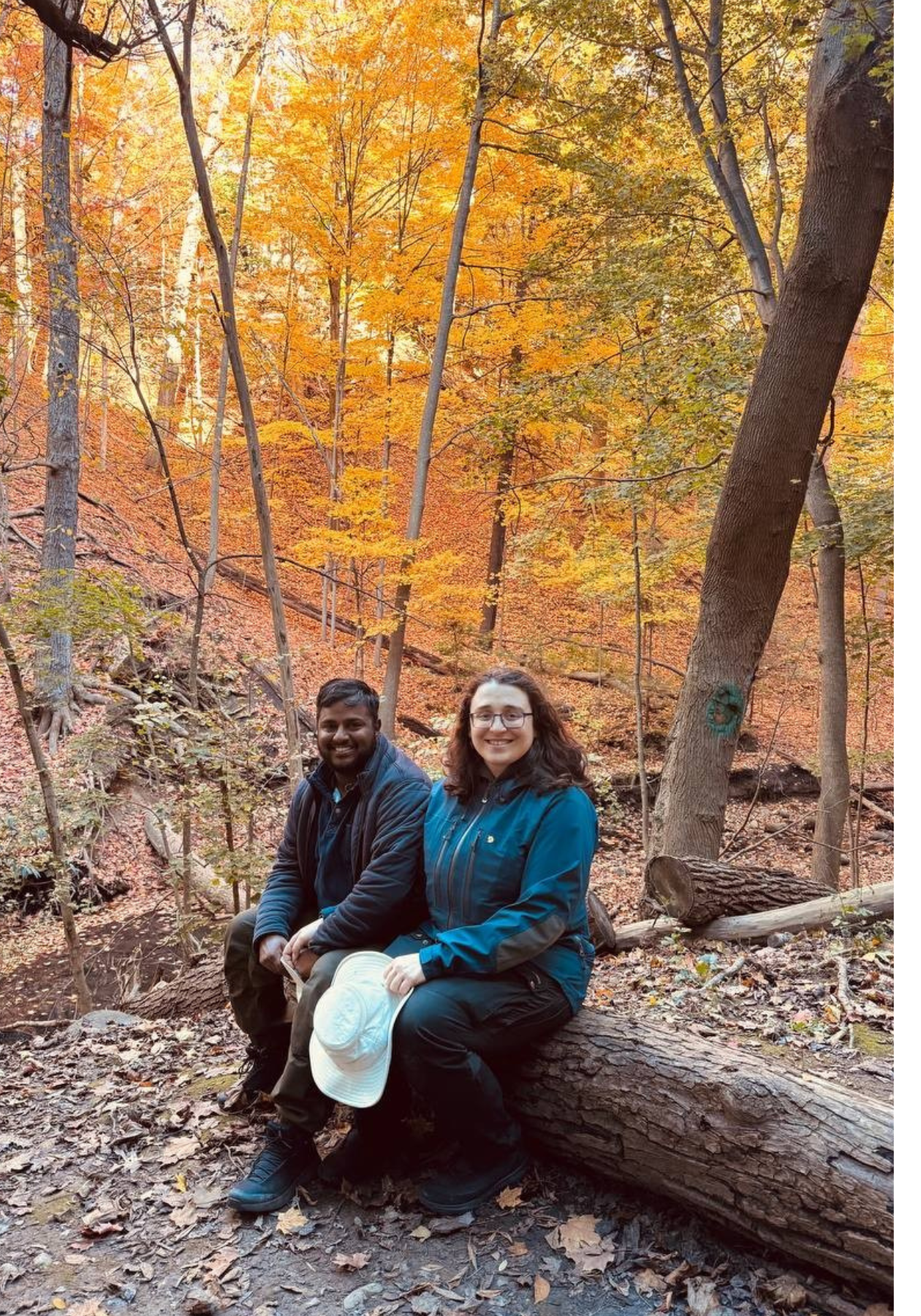
Over the years, Ksenia has experienced a range of symptoms like numbness, weakness, and episodes of vertigo. Living with MS means symptoms can come and go, and that uncertainty can be one of the most challenging parts.
Therapy has been incredibly helpful for Ksenia over the years, as well as her support system. “I’m very fortunate to live in an accessible condo, have an accommodating workplace, and have my supportive partner, Megh, by my side,” she said. Ksenia credits her mother for advocating for her when she was first diagnosed, “If I hadn’t had my mom there holding my hand and willing to fight for me, it might have taken much longer to receive my diagnosis and proper care,” she noted. Having access to a queer-friendly family doctor has also given Ksenia a sense of comfort and allowed her to speak openly about her diagnosis.
At the beginning she struggled to come to terms with her MS. Joining the virtual 2SLGBTQI+ MS Support Group connected her with others in the MS community who share similar experiences. The support group provides a safe space for people to express their gender identity and connect with others who share common ground.
For Ksenia, one of the most valuable aspects of the group is hearing stories from older members who are living with MS. “It’s really valuable hearing how they navigate different challenges at different stages of their lives, it gives me a snapshot of what my life might look like,” she reflects.
While Ksenia was diagnosed quite early compared to other group members, she finds inspiration in hearing how others have navigated barriers, adapted to challenges, and built fulfilling lives while living with MS. While everyone’s MS journey is unique, shared experiences often make the road feel less isolating.
“Sometimes I feel sorry for myself when I can’t accomplish certain tasks because of my MS, but it’s empowering to hear how others in the group find creative ways to navigate these challenges and continue to find joy in their lives,” Ksenia shared.
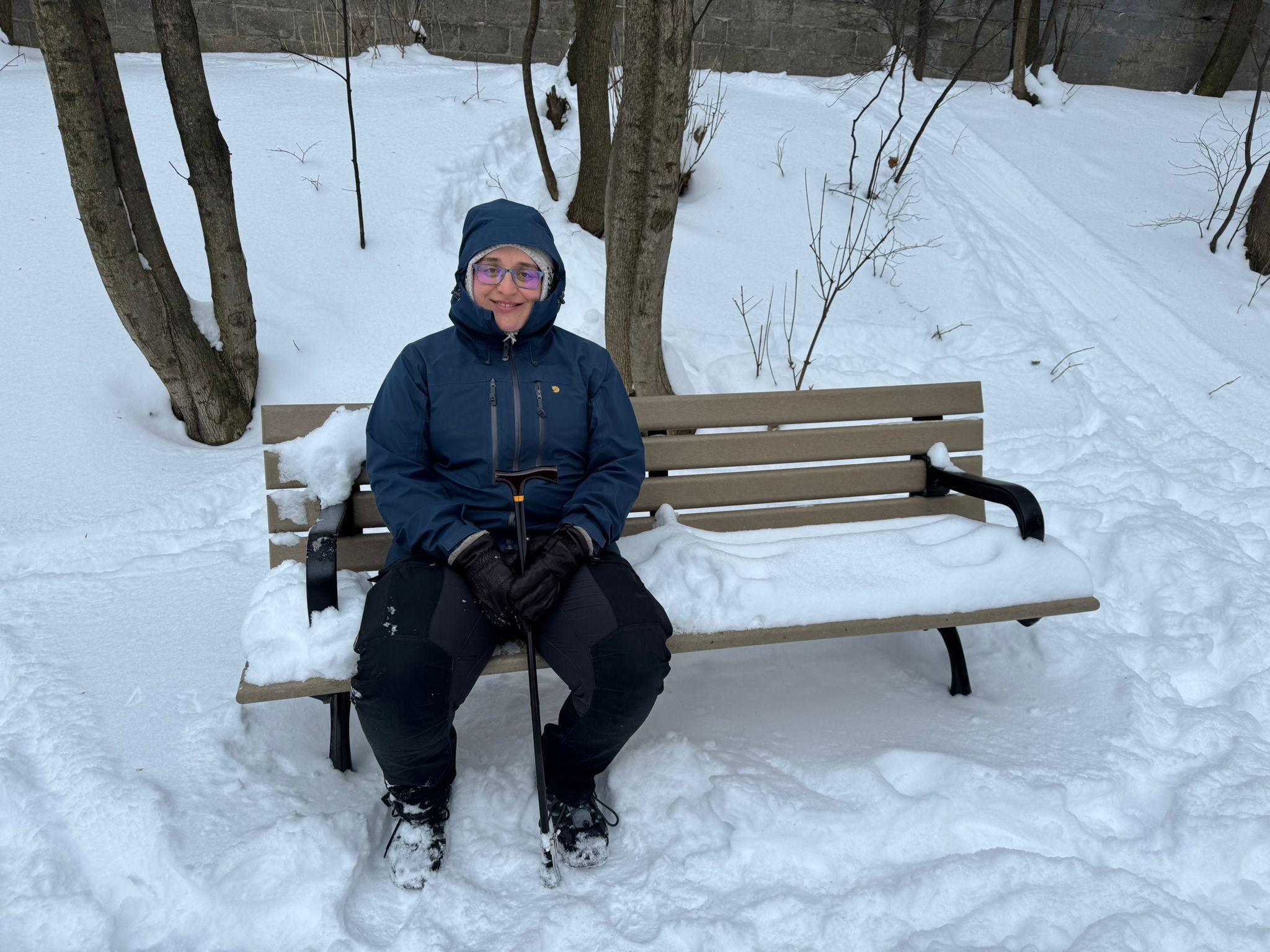
She also finds it helpful to be part of a support group where there’s another common ground, outside of living with MS.
“You face slightly different challenges when it comes to aspects of identity, so it’s nice to see how others navigate things and the different issues people face,” she explained.
If there’s one thing Ksenia has learned, it’s that being diagnosed with MS can change someone’s life, but it doesn’t define or end it—especially with the increased treatment options available today. As she puts it, “Living with MS is a limitation, but it doesn’t mean you can’t live a full and meaningful life.”
The 2SLGBTQI+ MS Support Group meets online on the 4th Thursday of the month at 6PM ET.
To learn more or join the group, visit our website or contact the MS Knowledge Network at 1-844-859-6789 or msnavigators@mscanada.ca

- Log in to post comments