Dr. Robert Simpson
Associate Professor, University of Toronto
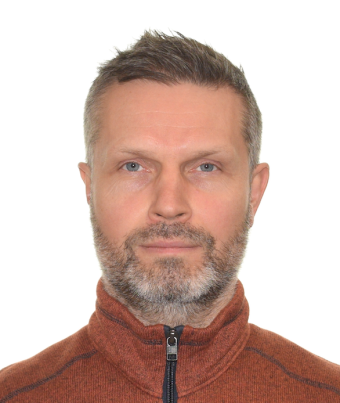
Dr. Robert Simpson is a Specialist Physician and Clinician Investigator in Physical Medicine & Rehabilitation (PM&R). Dr. Simpson’s clinical work is based between the University Health Network (Toronto Rehabilitation Institute) and Unity Health (St Michael’s Hospital) in Toronto, where he provides medical leadership in the specialist rehabilitation care for people with multiple sclerosis (MS).
Dr. Simpson’s specialist clinical training in PM&R was intercalated with a PhD from the Institute of Health and Wellbeing, University of Glasgow. His PhD thesis focused on the use of Mindfulness-based interventions (MBIs) for people with MS, using mixed-methods. Dr. Simpson currently holds the rank of Associate Professor in the Department of Medicine at the University of Toronto and is the faculty lead for resident research in PM&R. Dr. Simpson's research program currently focusses on optimizing care for people with MS who have mental health comorbidity and cognitive impairments.
In addition, Dr. Simpson currently leads a national module for the MS Best Evidence-based Strategies and Treatment (MSBEST) on psychological therapies for people with MS, having previously published a module as co-author on non-pharmacological cognitive rehabilitation. Through his work with MSBEST and the Canadian MS Rehabilitation Knowledge Mobilization Network, he is currently leading an international guideline focused on Mood and Emotion for people with MS.
What is the focus of your research? How did you become interested in MS research?
The focus of my research is on helping to improve the quality of life of people living with MS, as well as the people who provide their clinical care. I became interested in MS research during my clinical training in Rehabilitation Medicine, where the majority of the patients I cared for had MS. I was keen to learn more from my patients about how they live well with MS and this led me to study the role of stress management and eventually integrative medicine. I have also been interested in healthcare provider wellbeing ever since my time as a medical student, where I was struck by the complex interplay of emotions in medical care. This led to my interest in the cultivation and practice of compassion among healthcare providers in the care of people with MS.
What inspires you to continue advancing research in this field?
My patients, clinical and research colleagues are my inspiration. I am constantly learning from them all and all of my clinical and research work is a reflection of this. I am particularly excited to see the next generation of clinicians and researchers emerge in this area.
How do you hope to change the lives of people living with MS through your research?
My hope is that my research provides people living with MS with a set of accessible, usable, and effective tools for living well with MS. The clinical encounter in many ways is only a snapshot event in the lives of people living with MS and likely has little impact in the grand scheme of each individual’s unique and special life. I think it is important that people have tangible strategies for living well all of the time.
What do you enjoy most about your research? What are some of the challenges you face?
I most enjoy the sense of purpose that comes through this work. The practice of medicine is a lifelong, full-time commitment and my experience is that we (physicians) are always thinking about our purpose and contributions to healthcare. By working in an area that I am passionate about, with people who care about what they do, and end results that actually help people, I find this very rewarding.
How important is the support from MS Canada in your research?
The support from MS Canada is incredibly important – without it, we would struggle to do the work that we do.