
Who We Are
Contents
Click on any topic to jump to it. When you're ready to explore more, continue to scroll up or down, or hit 'Back to the top' to return here.
Who We Are
OUR VISION
A world free of multiple sclerosis.
OUR MISSION
To connect and empower the MS community to create positive change.
For over 75 years, we have been at the forefront in seeking answers to the most pressing questions about MS.
What once felt out of reach is now becoming possible. The last decade has brought extraordinary progress in how we understand, diagnose and treat MS. And every year, we move closer to what was once unthinkable – repairing the nervous system, restoring lost function and preventing disease expression and progression – for the over 90,000 Canadians living with MS.
There has been a fundamental shift in the way we think about MS, driven by remarkable advancements in our understanding of the underlying disease process. We now understand that MS is a continuum driven by two differing biological processes. This deeper understanding has enabled more specific monitoring and treatment approaches.
We also know that time matters. An earlier diagnosis is more than just an earlier start to treatment; it’s a powerful opportunity to preserve brain health, minimize disease activity and delay or halt disability progression. But most importantly, time matters to people living with MS, to those with aspirations of remaining disability-free, and to those hoping to regain lost function. Time matters to families navigating this new reality, and to researchers working tirelessly on the edge of discovery. We’ve arrived at a time where advancements in research have significantly delayed disability and reduced relapses.
Now, a new class of treatments targeting chronic inflammation in the central nervous system is on the horizon—offering real promise to change the course of MS. Canadian researchers are leading the way, and MS Canada is proud to support this global momentum.
MS Canada remains deeply committed to accelerating progress. Our Impact Goals, to advance treatment and care, enhance well-being, halt disease progression, and ultimately prevent MS, guide every action we take. We are proud to support a world-class network of Canadian researchers whose discoveries are helping to redefine what is possible.
But research is only part of the story. At MS Canada, we recognize that these breakthroughs must be matched by a deepening of our commitment to the people who live with MS every day. Now more than ever, we must listen and engage meaningfully with individuals, families, and communities across the country. The progress we’ve made is shared progress and we invite all Canadians to be part of this journey. Whether through advocacy, support, research, or awareness, everyone has a role to play.
Together, we are not only reshaping the way MS is understood—we are writing a new chapter. A chapter filled with hope, with momentum, and with an unwavering determination to create a world free of MS.

CEO, MS Canada

Board Chair, MS Canada
Our MS Community
Canadians affected by multiple sclerosis (MS) are at the heart of our work, which is guided by our impact goals to advance treatment and care, enhance well-being, understand, and halt disease progression, and prevent MS. Our MS community is engaged, resilient, determined and driven by our common vision of a world free of MS. Together, we continuously and consistently work toward a brighter future for the over 90,000 Canadians living with MS and their communities.
Our Community, Together in Action
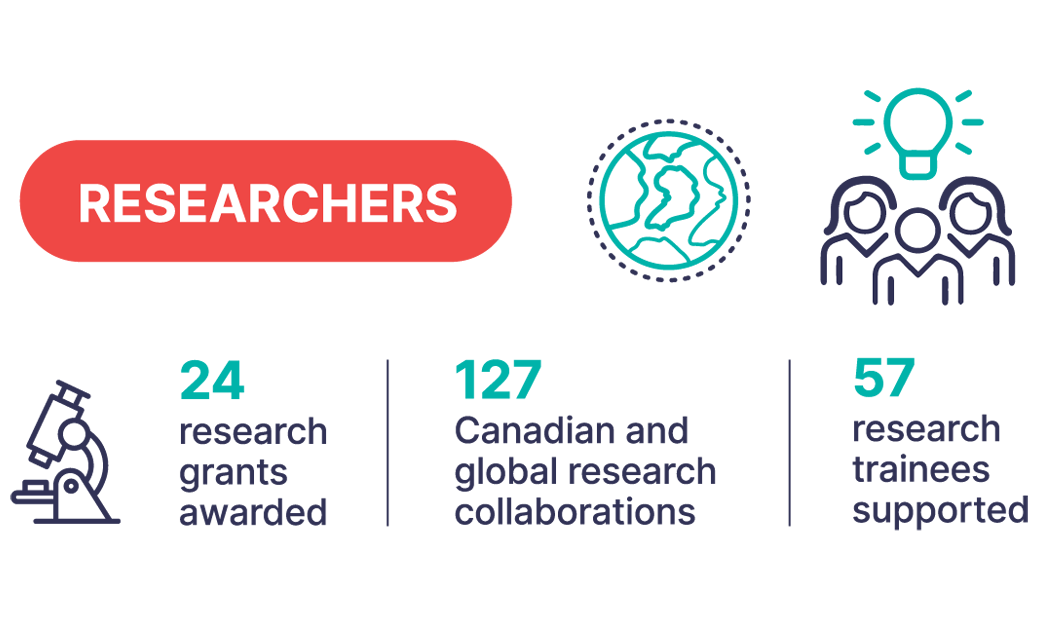
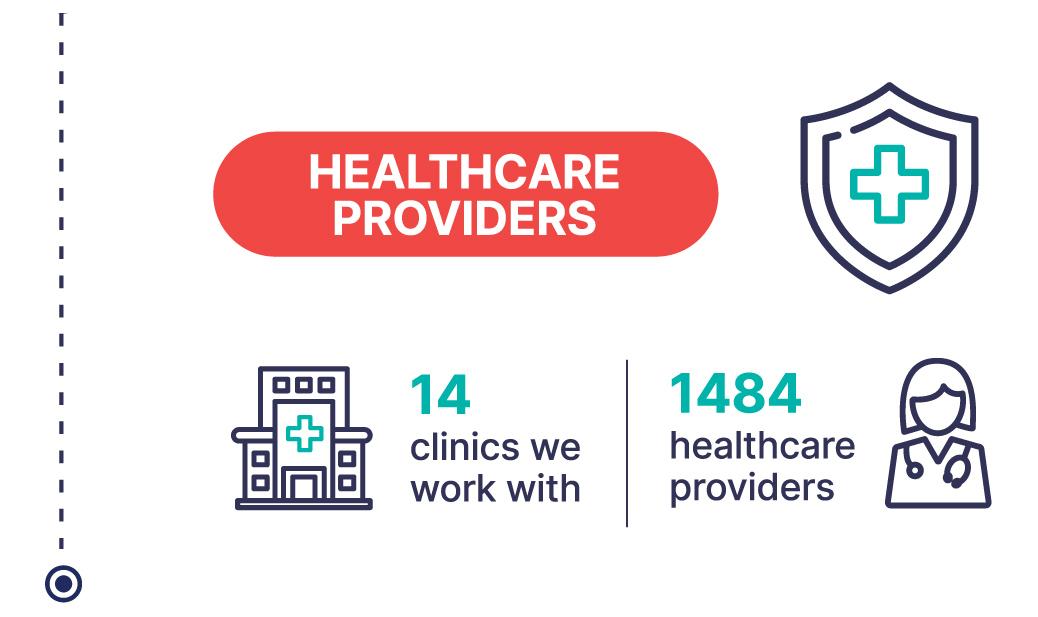
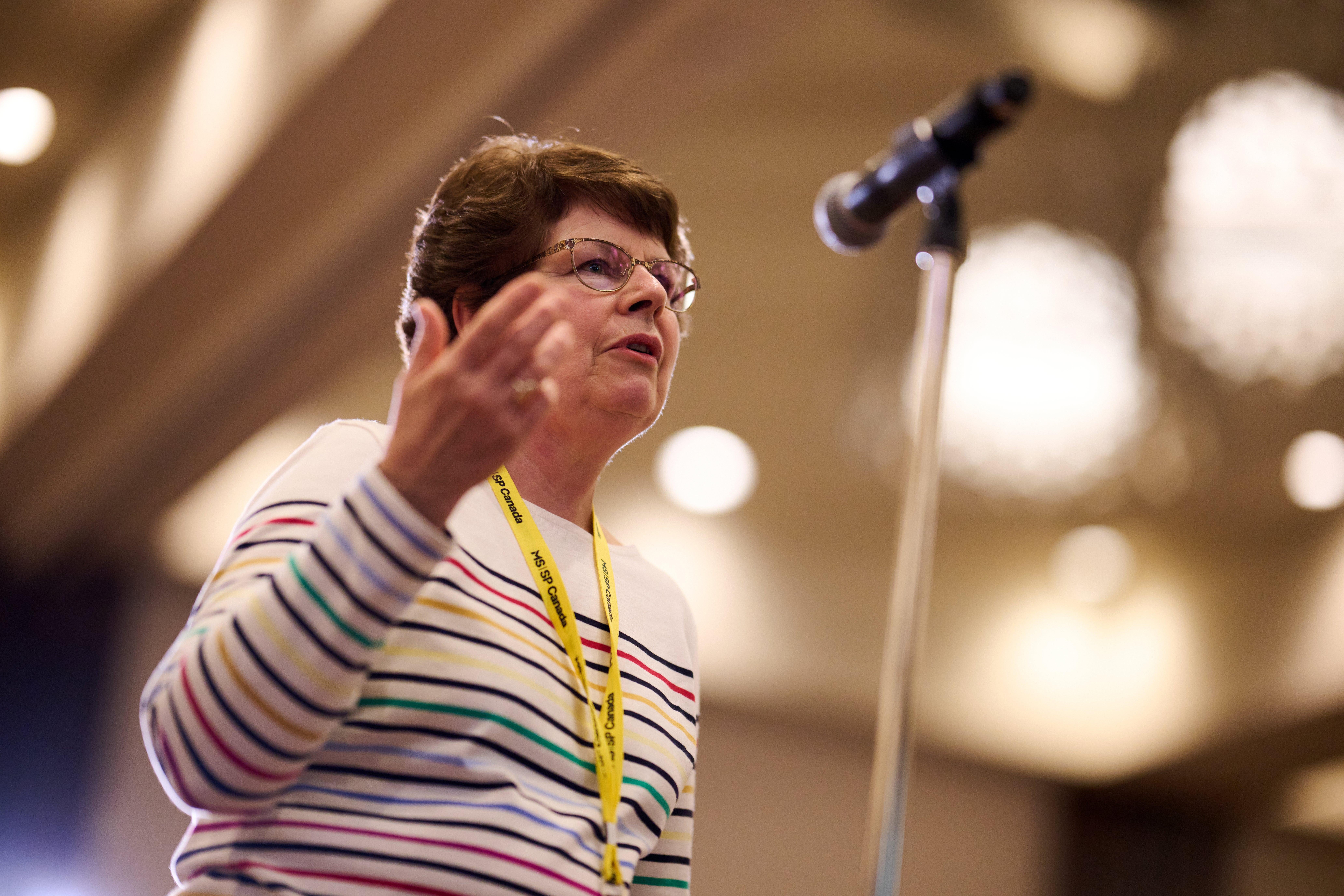
Our Community Representative Program empowers people affected by MS to engage in actively shaping the future of MS research. By providing a platform for their voices to be heard, we ensure that our research priorities are directly informed by the lived experiences of the MS community - guaranteeing your fundraising dollars are spent driving meaningful and transformative research. Together, we amplify impact and turn insights into action.
A United Community Raising Awareness About Canada’s Disease:
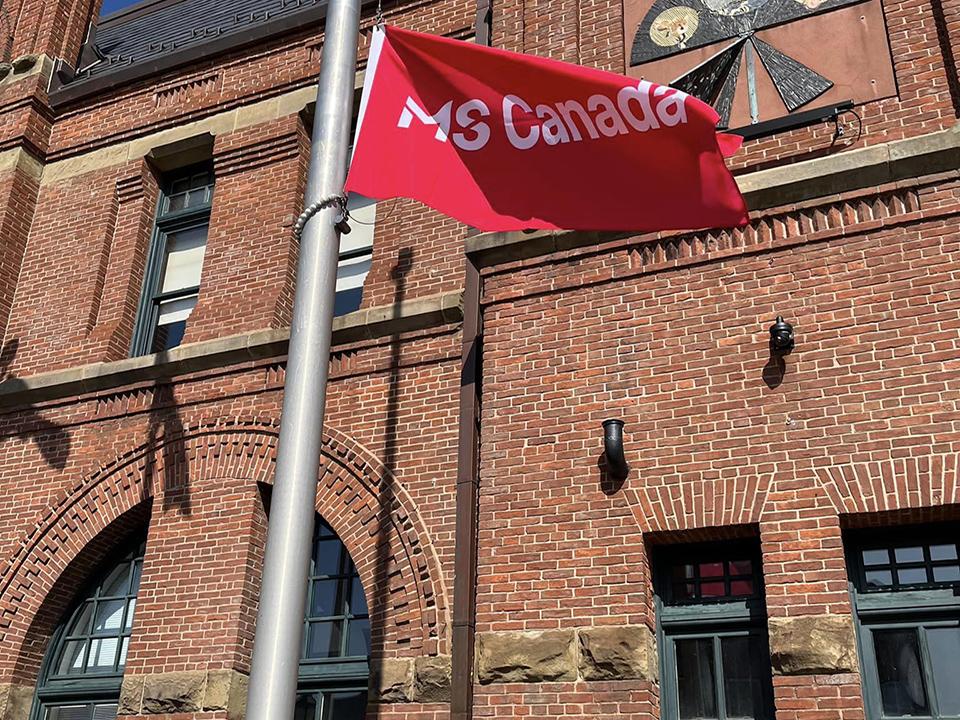
MS is known as Canada’s disease as the country has one of the highest rates of MS in the world. Every year, the MS community mobilizes neighborhoods from coast to coast to raise awareness about MS. This year, Canadians joined together in a powerful show of solidarity working with local government leaders to raise flags, sign 50 proclamations and light over 30 buildings in bright red. These acts bring the MS community together and spark curiosity in the public to learn more, ask questions and take action. Together, we demonstrate our nation’s collective commitment to ending MS.


Building Legacy Through Impact: At the Frontier of MS Research
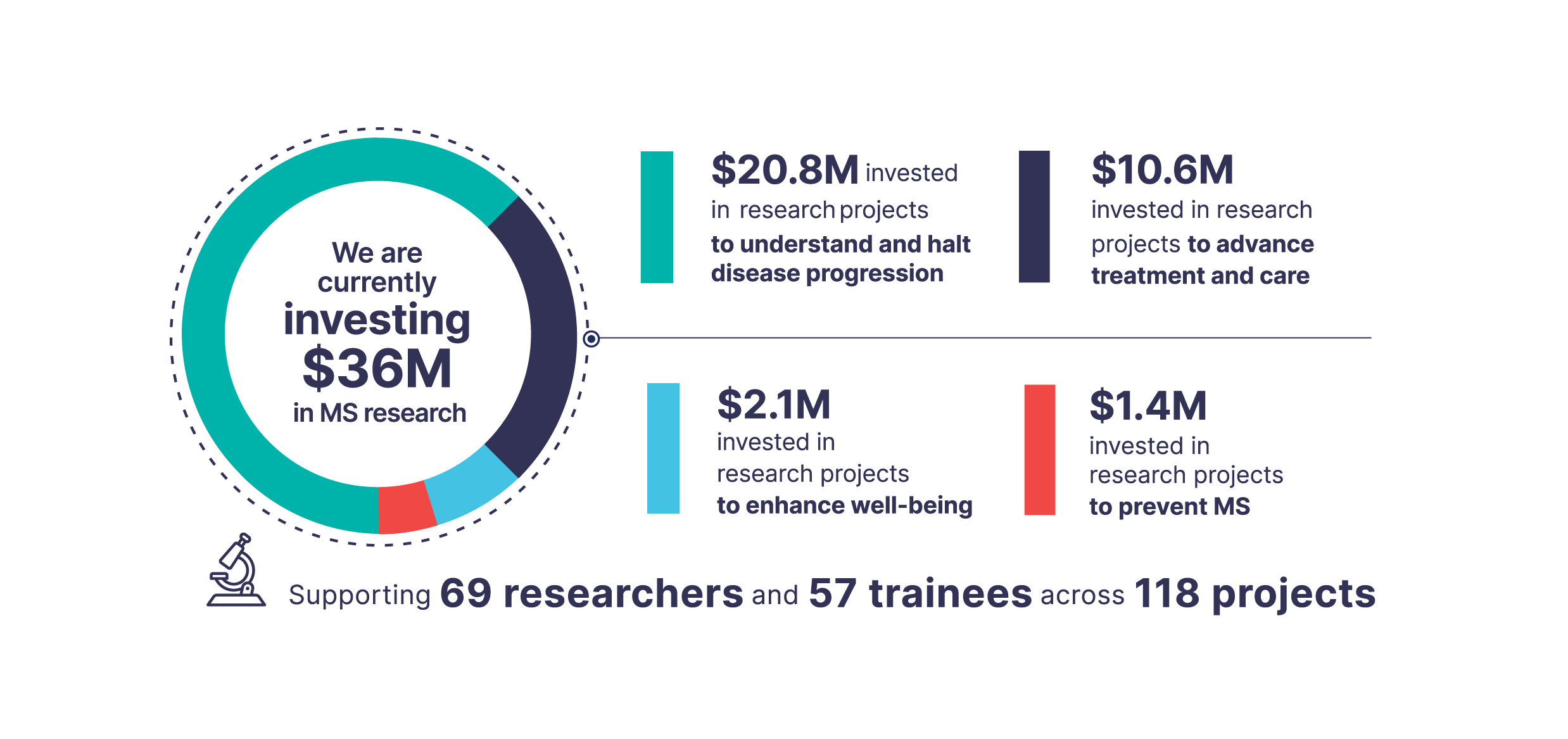
Since 1948, MS Canada has invested over $224 million total in research. In 2024 alone, $6.6 million dollars were added towards our investment in research, bringing our current investment to a total of $36 million.
Research and community connection go hand in hand
The MS community fosters opportunities for connection across all facets of the MS journey, often inspiring a lifetime commitment to the vision of a world free of MS. Dr. Manu Rangachari is a medical researcher at the Université Laval where he investigates the complexity of MS progression. His journey in supporting the MS community began while young, when participating in MS read-A-Thon.

“You could argue that my interest in MS research began when I was a little kid through the MS Read-A-Thon. You’d sign up to read books and people would donate to support, with funds going to MS Canada – which was called the MS Society back then. I think my parents still have a stuffed animal that I won for participating. As it turns out, I was raising money for MS research in Canada at seven or eight years old. Now, many years later, I have reached a full circle moment. As a trained immunologist, I lead research about MS at the Université Laval in Quebec City”
Dr. Manu Rangachari,
MS Medical Researcher
If you need any clarification on the terms used within the research section of this report, please visit our glossary online.
Research Across Canada Webinar
Our Research Across Canada Webinar offered participants the opportunity to hear from Drs. Horwitz, Voronova, and Marrie about each of their work advancing MS research in the areas of repair, remyelination and prevention.
Our Impact Goals in Action
These are the goals we’re focused on achieving
with our
$36 million investment in MS research

Advance Treatment and Care
We’ve reached an exciting turning point in our understanding of MS. Thanks to years of research and advances in treatments, scientists and clinicians now recognize MS as a continuum, driven by underlying complex biological processes that are present in varying degrees from the onset of MS. This shift in our understanding of MS has paved the way to new pathways of discovery allowing us to improve our ability to diagnose, monitor and treat MS. New biomarkers for detecting and monitoring progression and new treatments that focus on different types of inflammation have been identified. At the same time, researchers are finding innovative rehabilitation to promote neuroprotection and repair.
Biomarkers and risk factors for Diagnosis and Progression
This year alone, there have been major breakthroughs in identifying both diagnostic and progression related biomarkers, some of which have been approved for use in clinical practice:
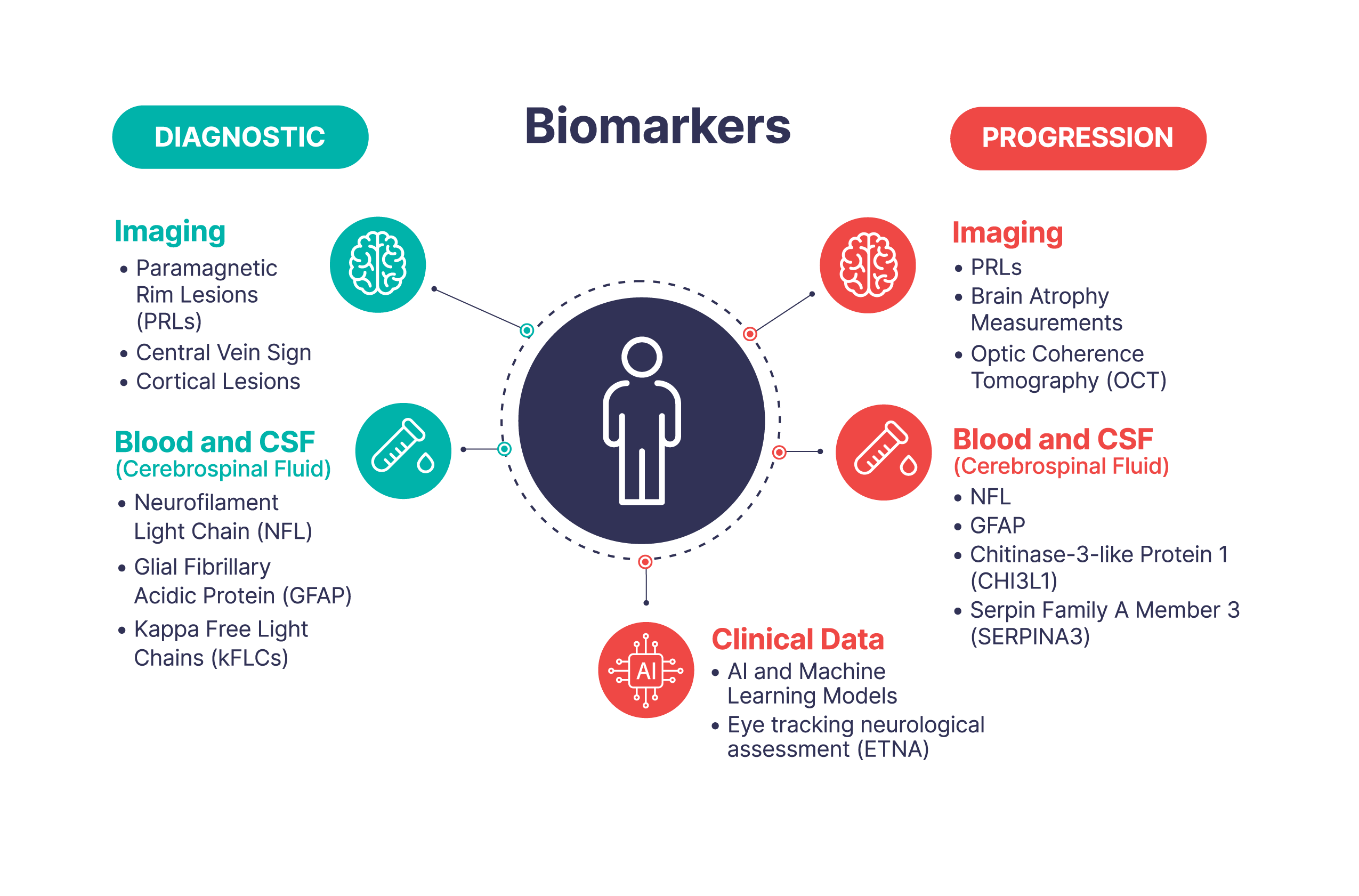
Diagnostic
Imaging
- Paramagnetic Rim Lesions (PRLs)
- Central Vein Sign
- Cortical Lesions
Blood and CSF (Cerebrospinal Fluid)
- Neurofilament Light Chain (NFL)
- Glial Fibrillary Acidic Protein (GFAP)
- Kappa Free Light Chains (kFLCs)
Progression
Imaging
- PRLs
- Brain Atrophy Measurements
- Optic Coherence Tomography (OCT)
Blood and CSF (Cerebrospinal Fluid)
- NFL
- GFAP
- Chitinase-3-like Protein 1 (CHI3L1)
- Serpin Family A Member 3 (SERPINA3)
Clinical Data
- AI and Machine Learning Models
- Eye tracking neurological assessment (ETNA)

From Innovation to Practice: Biomarkers approved for clinical use
New available biomarkers creating opportunities for early intervention, and a more proactive and personalized approach to care
 Neurofilament Light Chain (NFL) blood test gains Canadian Licensing
 ETNA_MS
Eye tracking MS progression test approved in Canada
ETNA_MS
Eye tracking MS progression test approved in Canada
Treating Compartmentalized Inflammation – BTKis
 A new hope has ignited in the form of Bruton’s tyrosine kinase inhibitors (BTKis). Dr. Oh and Dr. Fox reported the results of the Phase III trials GEMINI I and II and HERCULES, which evaluated tolebrutinib. Both studies showed a reduction in disability accumulation largely independent of relapsing activity, which suggests that tolebrutinib targets compartmentalized inflammation that has eluded researchers until now. This is the first promising therapy to potentially treat this type of inflammation leading to disease progression.
The Power of Rehab: Neuroprotection and Restoration
This year, we learned that early dysfunction in MS, measured through muscle fatigability, comes about before permanent degeneration. By focusing rehab on this stage of progression through boosting mitochondrial activity, Dr. Mahad’s research shows that early intervention can preserve nerve function and slow down disease progression.
The CogEx trial showed that cognitive rehabilitation and aerobic exercise can help restore cognitive processing speed and improve brain function in people with progressive MS, showing that lost cognitive abilities can be regained through targeted interventions.
Our Programs in Action
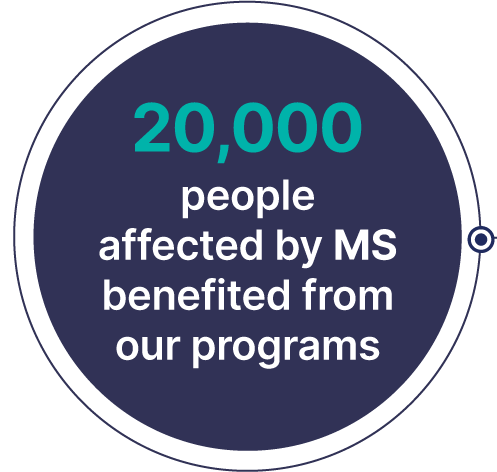
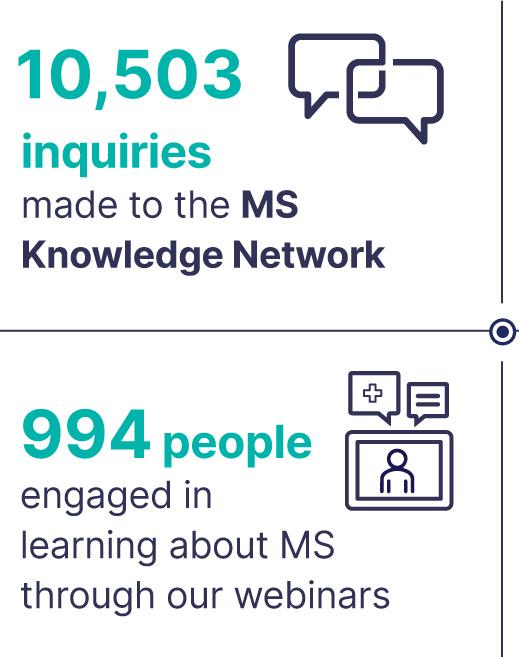
Your support had a tangible positive impact, providing the MS community with valuable information, and access to wellness and support programs to help them along their MS journey
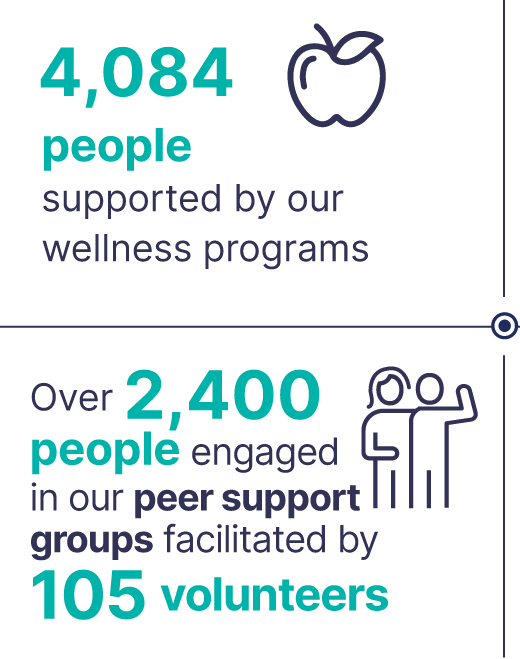
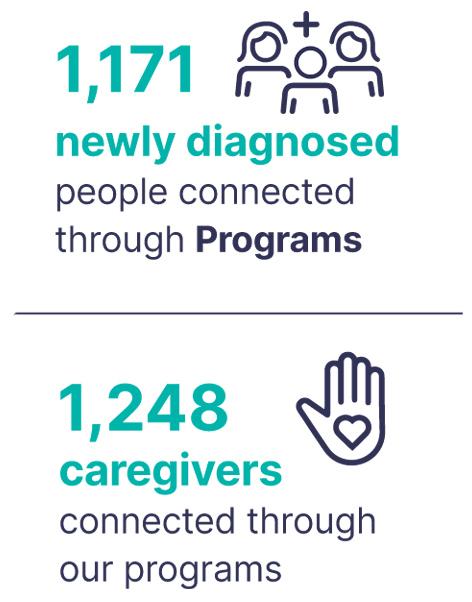
Our MS Support Programs Make Positive Impacts

Loved it!
Feels good to connect and talk about all that is important! We have a great connect right from the first conversation. I enjoyed speaking with them and I feel that we both gained from the conversations! I really enjoyed this experience. I was able to ask questions, and talk to someone who sympathized, and who knows what I'm going through. ”
-Person living with MS, Peer Support Group Participant
MS Canada
is the easiest (and often, the only) option to help out low income people with MS. Your staff are always helpful and you try to accommodate the client at every turn."
-Person living with MS, Knowledge Network
My very first interaction...
with [MS Navigator] was life changing. The access to webinars helped with my care for my sister. The involvement with the MS caregiver support group is also vitally important too."
-Caregiver of person living with MS,
Knowledge Network

The Benefits of Exercise for MS
Neurosask is a virtual, physiotherapist-led exercise and wellness program, which upon evaluation, found that participants not only felt connected and supported, but showed improvement in physical skills, daily functioning, and overall quality of life. The program fosters a strong sense of community and belonging, empowering participants with strategies to better manage their symptoms and maintain independence every day.
The program fosters a strong sense of
community and belonging, empowering
participants with strategies to better
manage their symptoms and maintain
independence every day.
Learn More about Neurosask
“I can say without hesitation that NeuroSask: Active and Connected has given me the desire and strength to take responsibility to manage my life despite the obstacles created by MS as well as the ability to do so.”
-NeuroSask Participant, female, age 60+, living with MS
“it maintained my range of motion and function during the worst relapses I have had. Now I am in remission but NeuroSask is the reason I was able to jump back into regular exercise without hurting myself. The foundation it provided for me is the only reason I am as high functioning as I am now. Basically this program is amazing. I recommend and tell everyone about it.”
-NeuroSask Participant, female, age 20–39, living with MS
Enhance Wellbeing
We work with our MS community to consistently advocate for policy change that removes barriers and improves the well-being of all Canadians affected by MS in the areas of income and employment security, MS treatments, and MS care and housing. In 2024, we focused our efforts on improving equitable access to research, care, and employment support across Canada, regardless of sociodemographic factors like gender and age.
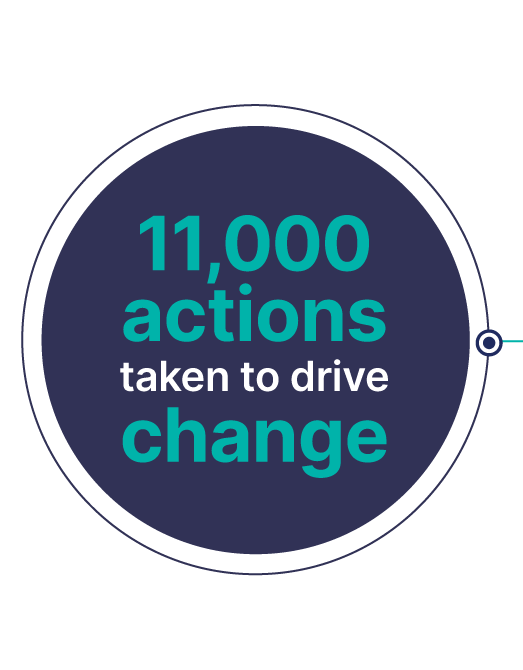

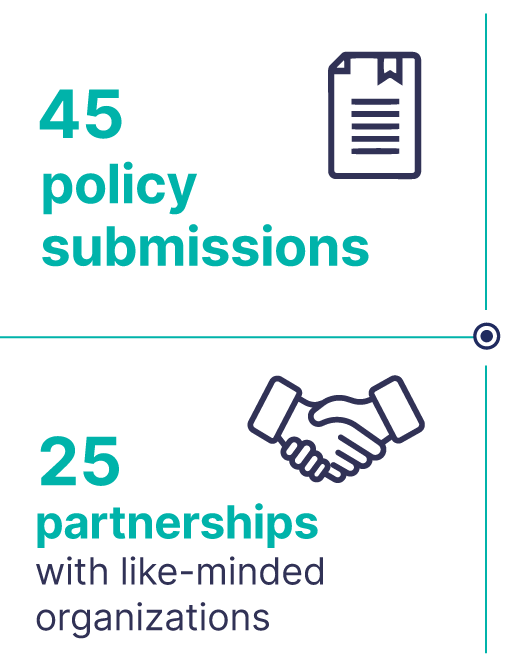
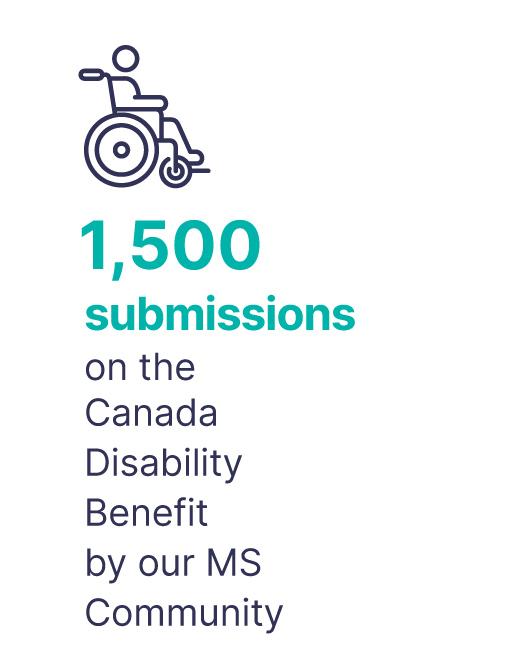
MS Community Driving Impact
In 2024, we advocated for extended job-protected leave across Canada to align with the updated federal Employment Insurance sickness benefits of 26 weeks, aiming to better support people living with MS as they recover from relapses.
Grassroots Advocacy in Action
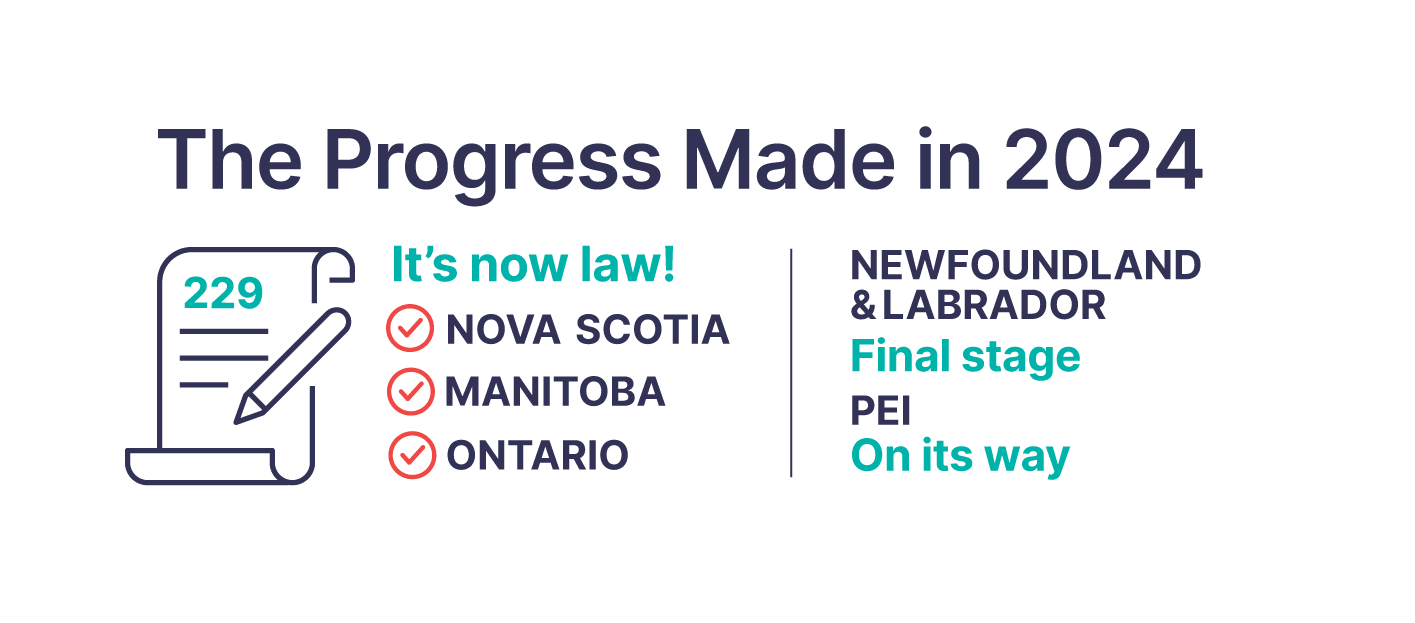
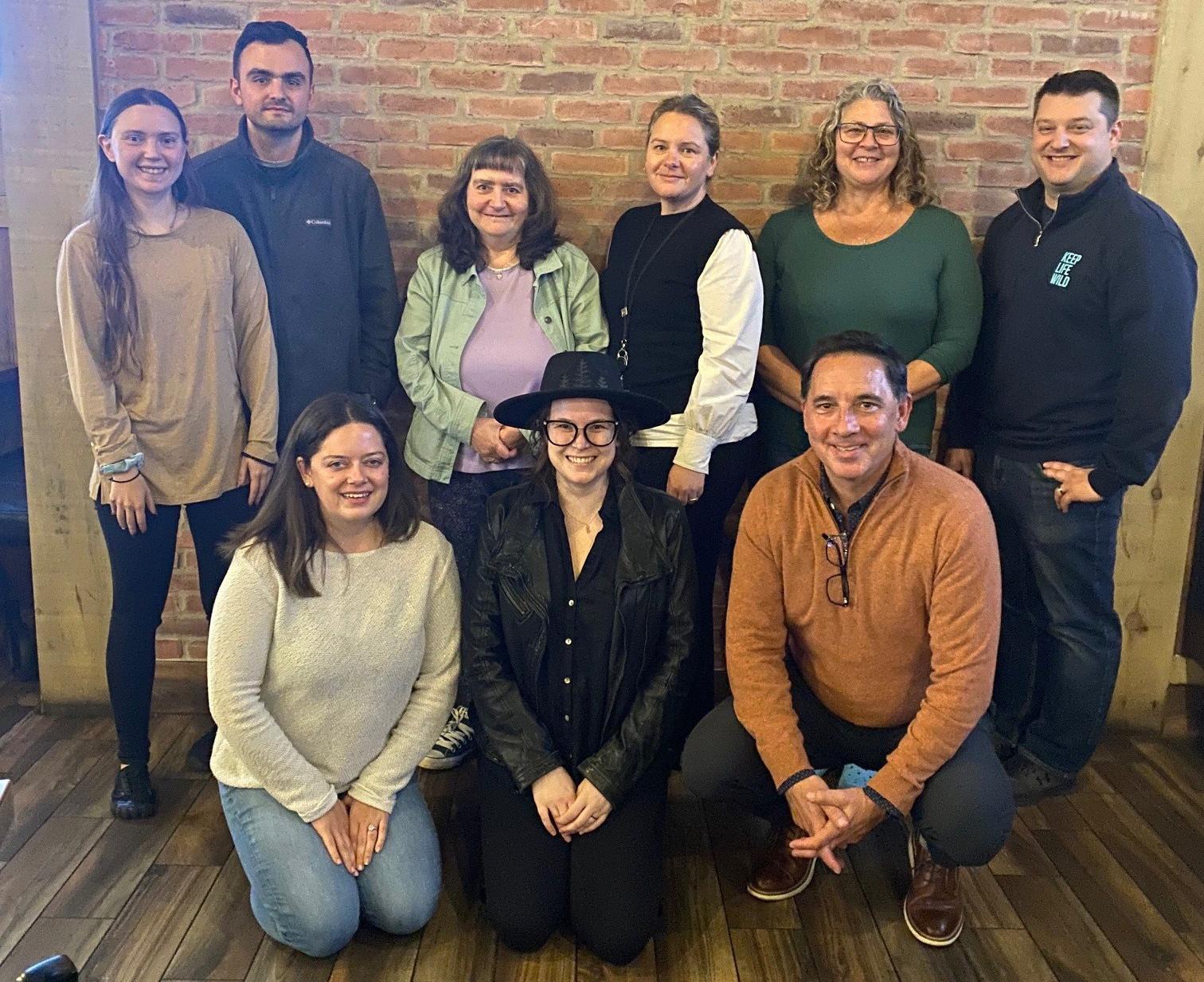
The Ontario Community Hub is one example of how strong and determined our MS community’s grassroots advocacy is in action. This dedicated team of nine volunteers set out to meet with 10 Members of Provincial Parliament (MPP) ahead of Invisible Disabilities Week, ultimately surpassing their goal with 15 meetings. Their focused discussions on the need for Job Protected Leave and Income Security for people living with MS directly contributed to the passing of Bill 229, which now provides up to 26 weeks of Job Protected Leave for those with episodic or invisible conditions such as MS.
Day on the Hill
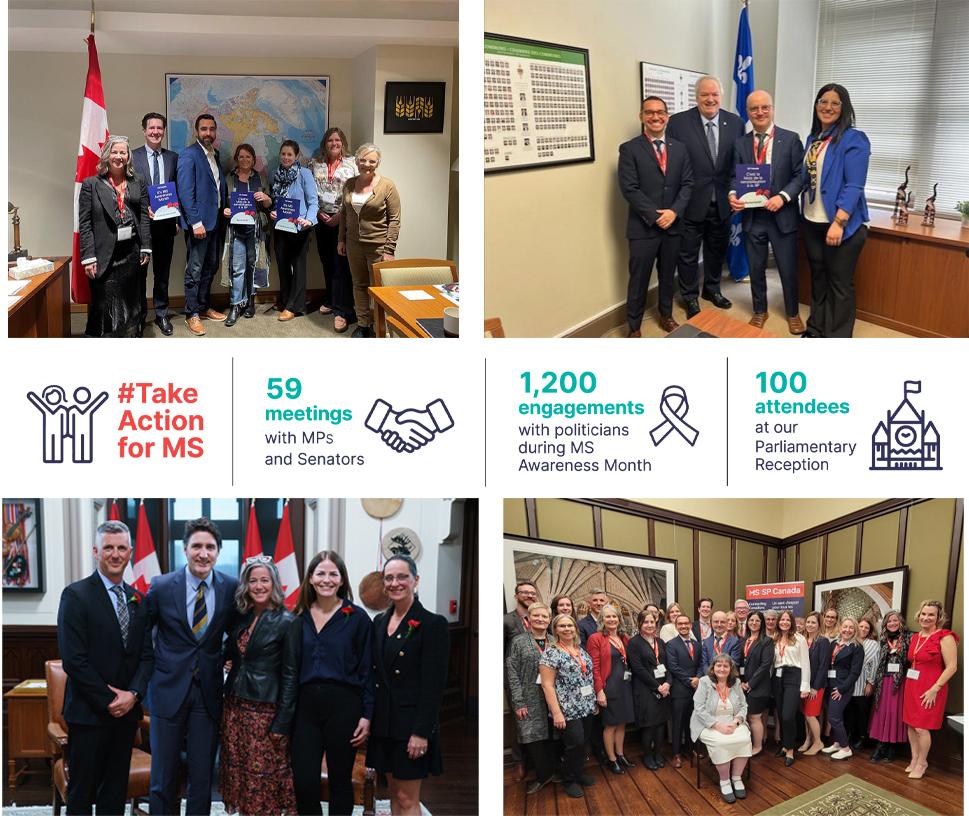
Each year, we make our way to Ottawa for our Day on the Hill, where we raise awareness about MS and educate elected officials on the needs of Canadians affected by MS, urging them to #TakeActionForMS.
In 2024, we met with Canada’s leaders and policy makers across all parties, including the current Prime Minister, to discuss how recent research advances are changing the future of MS, and how we are now at a point where MS prevention is more than an aspiration but an attainable goal.
Removing Barriers to Research and Care: Creating roadmaps for change
Our research and clinical communities have actively engaged in identifying and addressing critical gaps across our MS care and research continuum. This year, we came together with the MS research and clinical community to prioritize next steps and develop roadmaps aimed at increasing research focused on aging with MS and women’s health in MS. MS neurologists have also banded together to draft a publication aimed at advocating for changes to the Health Canada Drug Approval Process to allow for more personalized MS care.
Our community’s consistent advocacy actions also led to the first-ever standards in long-term care that are inclusive of young adults and their needs. We are pleased to see that the Canadian Standards Association (CSA) is offering this standard for free.
Our Impact Goals in Action

Our Impact Goals in Action
Understand and Halt Disease Progression
A leading cause of smouldering associated worsening is compartmentalized inflammation. By studying and better understanding this type of inflammation at its roots, researchers are uncovering new ways to stop disease progression. Exciting progress is also being made in protecting nerves and repairing damage in MS.
Unlocking a New Clue: How “Gatekeeper” Brain Cells Could Help Stop MS Progression
Dr. Jo Anne Stratton has drawn attention to an often-overlooked cell – the ependymal cells. They act as gatekeepers of the brain. When they are damaged, they allow toxins to enter leading to disease progression. Understanding this pathway provides an avenue for new therapeutic targets.
Furthermore, a promising stem cell trial administered via spinal injection, without harsh immune suppression, showed significant benefits after one year, including improved cognition and quality of life, and reduced inflammation and disability.

Remyelination and Halting Neurodegeneration
The field of neuroprotection and remyelination is advancing rapidly with multiple new targets being developed.
3 new remyelination pharmacological therapies being tested:

Prevent MS
An important aspect of prevention is being able to detect MS at the very early stages of the disease. This would present an invaluable opportunity to intervene to stop MS before it begins. One way we can do this is by identifying risk factors that lead to the development of MS. Over the past decades, we have discovered a multitude of risk factors and now our scientists are hard at work pushing our understanding of how these interact with each other and lead to an increased risk of developing MS. Building upon our knowledge base around these risk factors enables the community to think about early targeted interventions.
Building upon our knowledge base around these risk factors
enables the MS community to think about early targeted interventions.
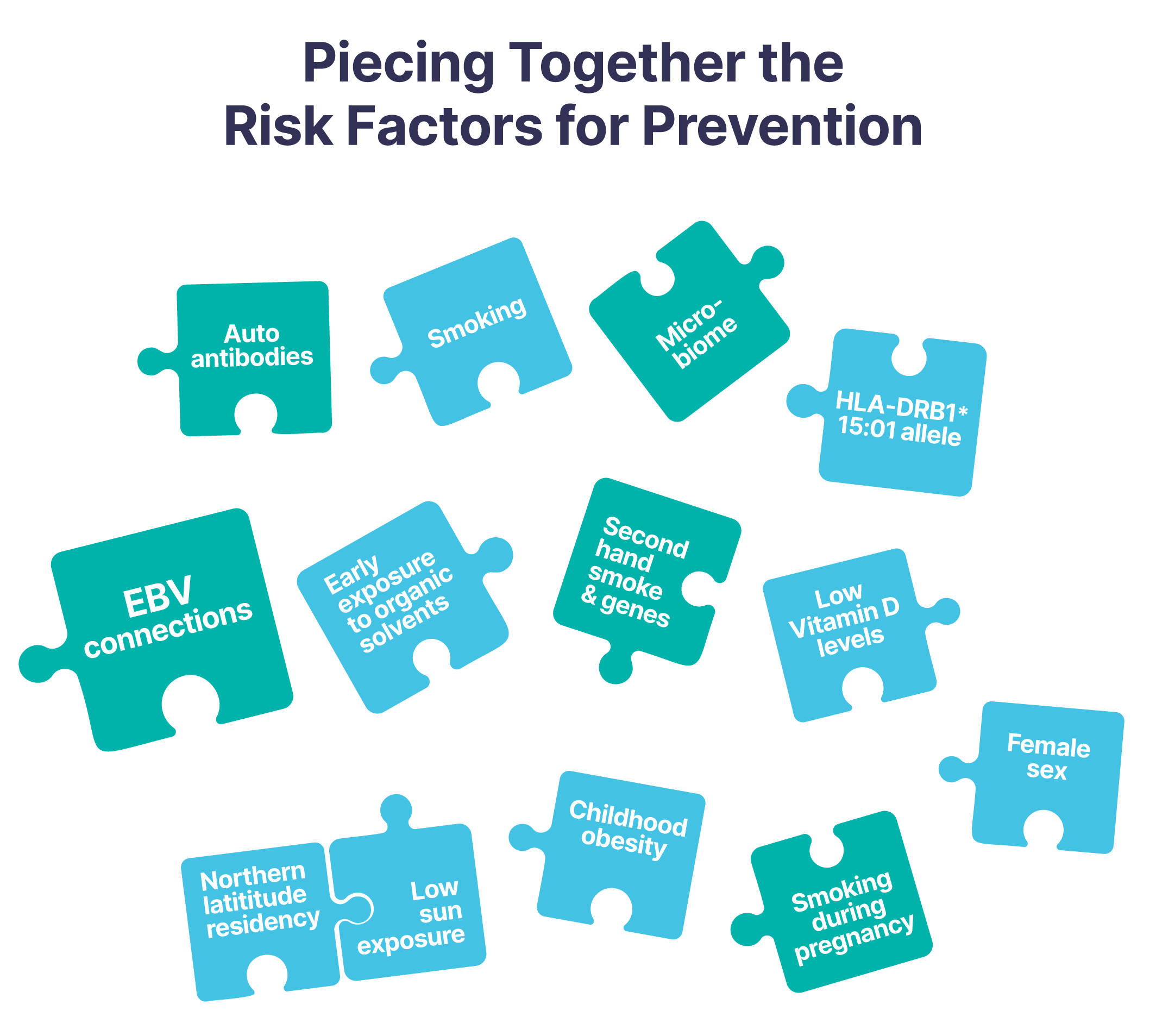
New factors: Auto Antibodies, EBV connections, Secondhand smoke & genes, Micro-biome, Smoking during pregnancy
Known Factors: Smoking, Early exposure to organic solvents, Childhood obesity, Northern latitude residency, Low sun exposure, HLA-DRB1* 15:01 allele, Low vitamin D levels, Female sex
Maximizing Impact Through Global Partnerships
We know that knowledge sharing sparks positive change. We work with national and global partners to learn more about MS and accelerate the pace of research, paving the path to a brighter future for Canadians living with MS.
One of many such successful partnerships is the International Progressive MS Alliance (the Alliance). As one of six founding and managing partners in the Alliance, we work collectively across disciplines and countries, enabling a united and strong focus to end MS progression.
Some advances made possible by these partnerships in 2024 include:
Thanks to all the MS Heroes
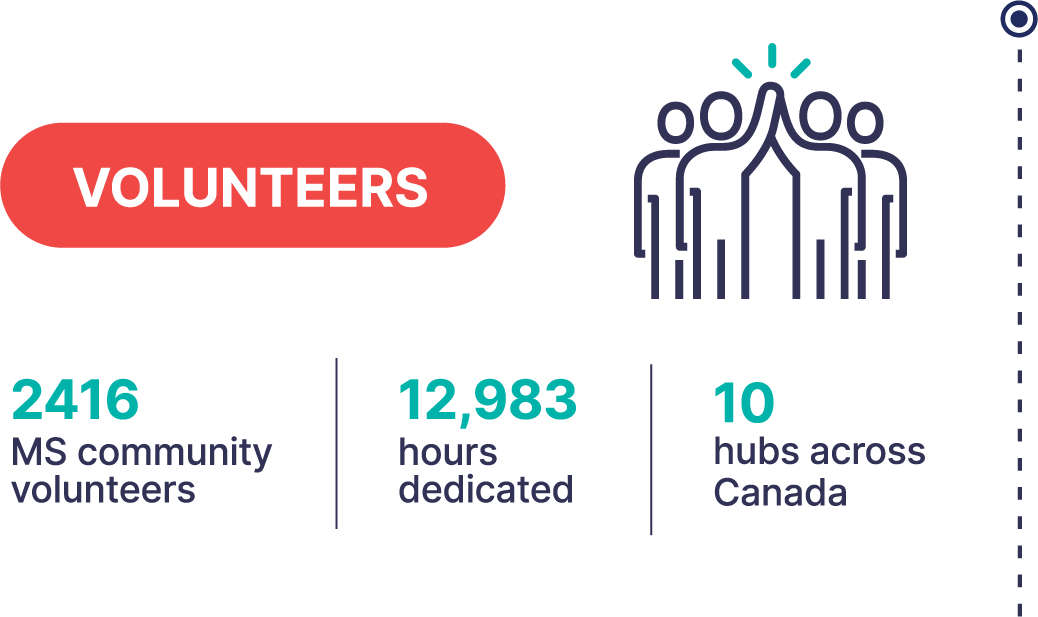
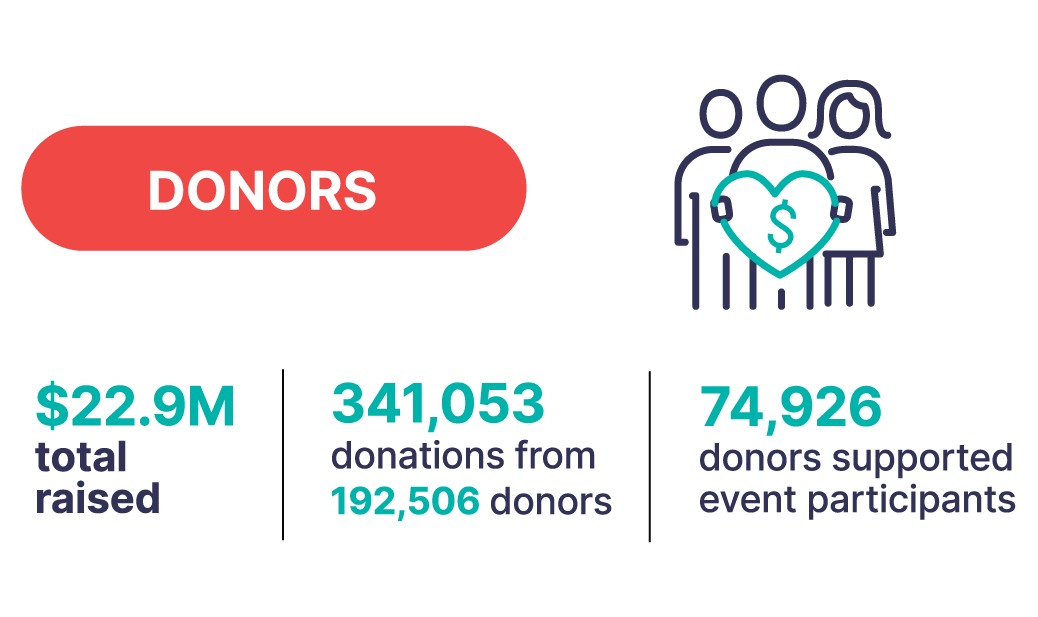
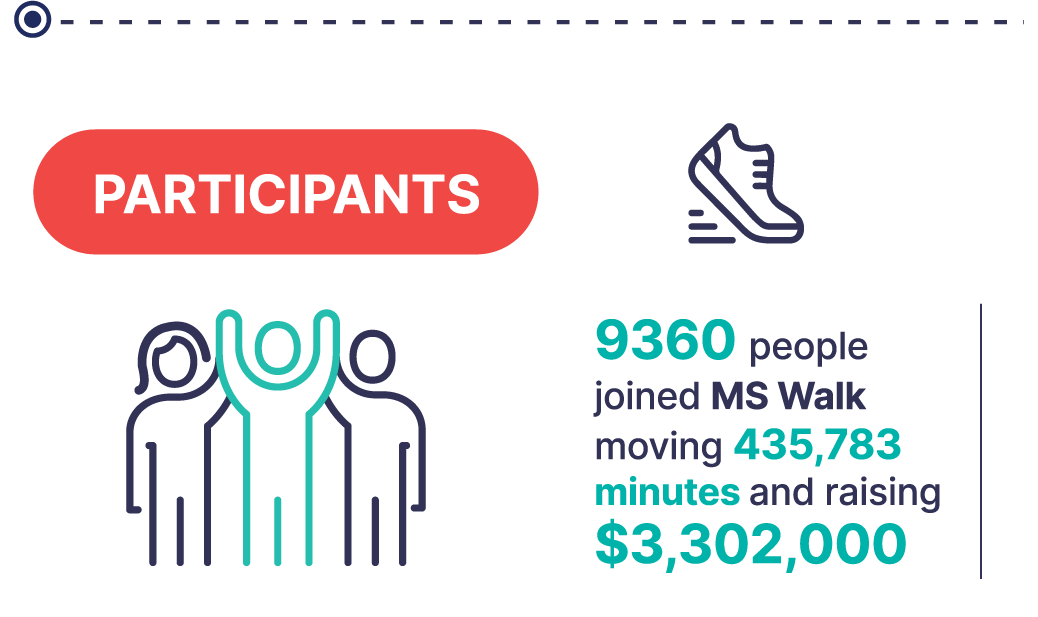
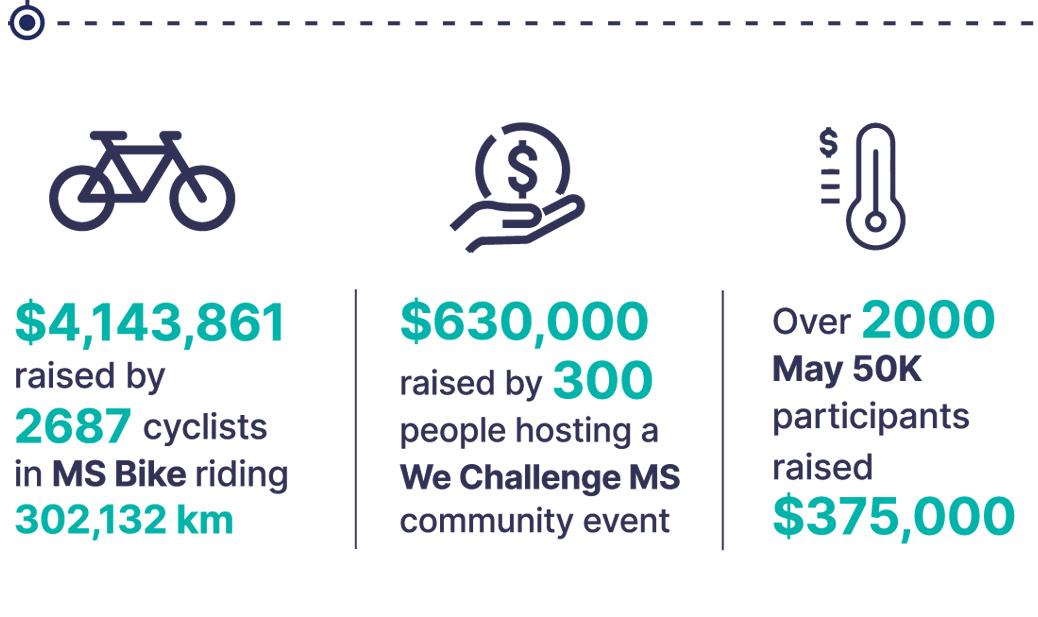
Our MS heroes take on many roles within our MS community – showing up when they are needed to deliver on our mission and paving the way for a brighter future for all those affected by MS. They are our neighbours and friends, donating what they can to make a big difference. They volunteer their valuable time and energy towards supporting and participating in our community fundraising events and programs. Our community members also dedicate their last wishes by providing legacy gifts that will support research and programs for generations to come.
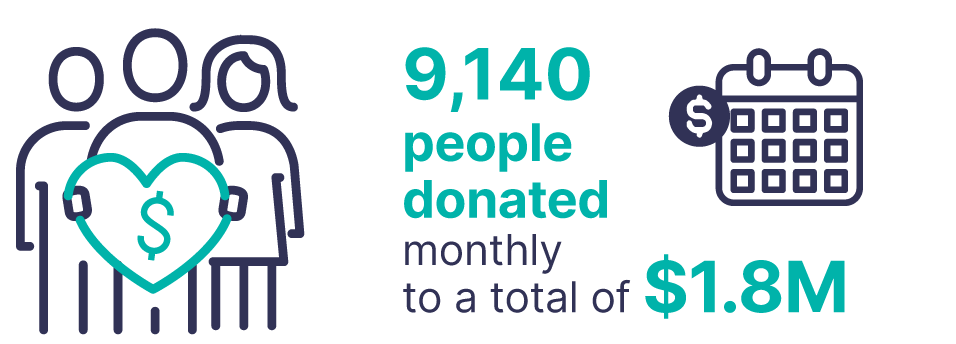
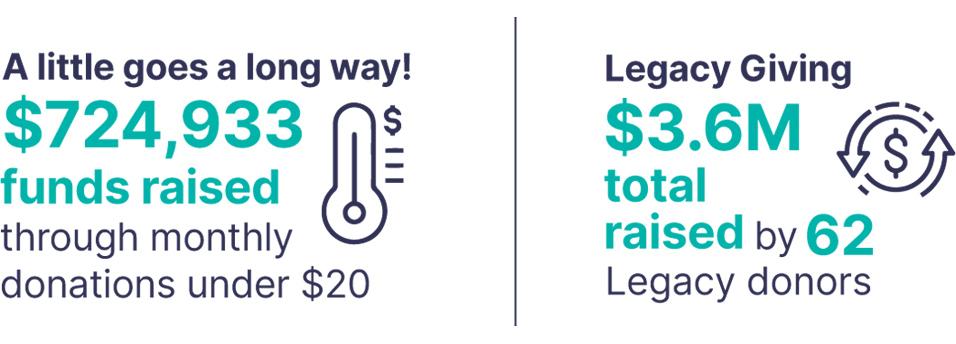
Long-standing Partnerships – Burgers to Beat MS

 MS Canada holds multiple incredible long-term partnerships, including with PCL, Jayman BUILT, Canadian Brewhouse, Mr. Lube, Storage Vault/Access Storage, Student Works Painting, and more. In 2024, we are shining a spotlight on A&W which for 17 years, has been a valuable partner of MS Canada across the country through its annual Burgers to Beat MS campaign, where franchisees from coast to coast come together in a day of celebration and community connection. To date, the campaign has raised more than $21.7 million to support MS research, programs and services for Canadians affected by MS. Burgers to Beat MS Day is more than just selling Teen Burgers. It’s a day dedicated to engaging with communities and raising awareness about MS across Canada. From special events to parking lot stands, franchisees and their restaurants nationwide went above and beyond to make this day special.
In Edmonton, to mark Burgers to Beat MS Day, Robbie Gibson—a member of the MS community and DJ at KISS 91.7—embarked on a three-day Dub-to-Dub Tour, walking to raise awareness and funds for MS. He more than doubled his $5,000 goal, raising $11,000. That same day, the A&W in Windermere Crossing hosted a lively lunch event, bringing together MS Canada and A&W leadership, volunteers, donors, researchers, and MS Bike and Walk participants for an afternoon of storytelling, laughter, and community spirit—all in celebration of the Edmonton region surpassing $2 million in total fundraising since the campaign began.
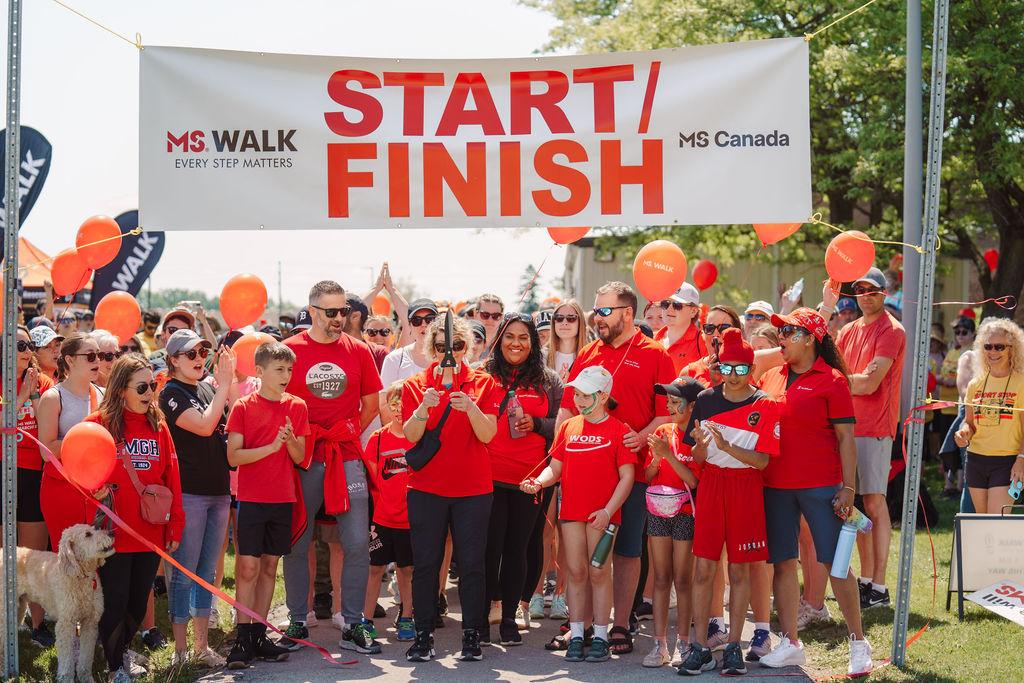

James Purdy and his family are a great example of community-led fundraising impact. Him and his kids have participated in the St. Paul MS Walk for 17 years, the Leduc to Camrose MS Bike for one year and has hosted his own Skijoring We Challenge MS event for five years, raising a total of $568,000 to date.
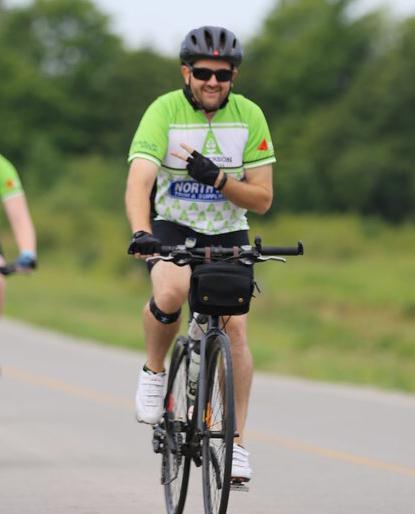
"MS Bike holds a special place in my heart. I began riding alongside my friend who lives with MS and during my first year I heard so many moving and impactful stories from the MS community. Stories of resilience and hope. I had no idea how many people are touched by this disease. The connections and support I feel every MS Bike event is truly amazing. There is so much joy in being there for each other. We ride to end MS and I know we’ll do it one day. I have been riding for 8 years now with no intention of stopping. It’s a life changing event and I’d urge anyone and everyone to consider participating”.
-Justin Riedstra, MS Bike participant
54% of community members continued their journey with us
Long standing participation in MS Bike events is not unheard of in our MS community, and in 2024 we’d like to highlight some of our fundraising MS heroes who have led the way in fostering meaningful impact and connections in MS Bike for a decade or two, sometimes more.
Doug Meloche has participated in MS Bike for
29 years, raising over $500,000 to date.
Bryan Simister has participated in MS Bike for 25 years, consistently at least $20,000 every year with a total fundraising amount of over $350,000.
David Varga has participated in MS Bike for
20 years, raising over $100,000 to date.
Rachel Chandler has participated in MS Bike for
17 years, raising over $50,000 to date
MS Bike would not be possible without the support of our dedicated volunteers who donate their time to ensuring the events run seamlessly year after year.
 Theresa Denham was diagnosed with MS in 1990. She became an MS Volunteer in numerous roles and joined the Peer Support Program in 1995, founding the group named ’Hopeful Solutions’. She has since fostered meaningful connections within the MS community and beyond. At the age of 67, she continues to be an active volunteer with the same compassion as she did when she was 32.
 British Columbia-based Lesley Ripley lives with MS, and MS Bike was the very first place she connected with after her diagnosis. Since then, she has also become a longstanding Burgers to Beat MS volunteer. In 2024, Lesley celebrated 35 years of volunteering at MS Bike Leduc to Camrose. Every year, she travels from BC to Leduc to ensure she can continue to support the event.
Alberta-based MS Bike participant Erik Gullickson has been volunteering at MS Bike – Leduc to Camrose since the age of 10, alongside his mom, who lived with MS. His dad rides in the event, and this year Erik was joined by his aunt and sister as volunteers, making MS Bike a true family tradition.
Over decades of longstanding connection, we have seen incredible actionable progress in treatments and modifiable lifestyle factors that contribute to a brighter future for Canadians living with MS.
Multi-Generational Account of Life With MS
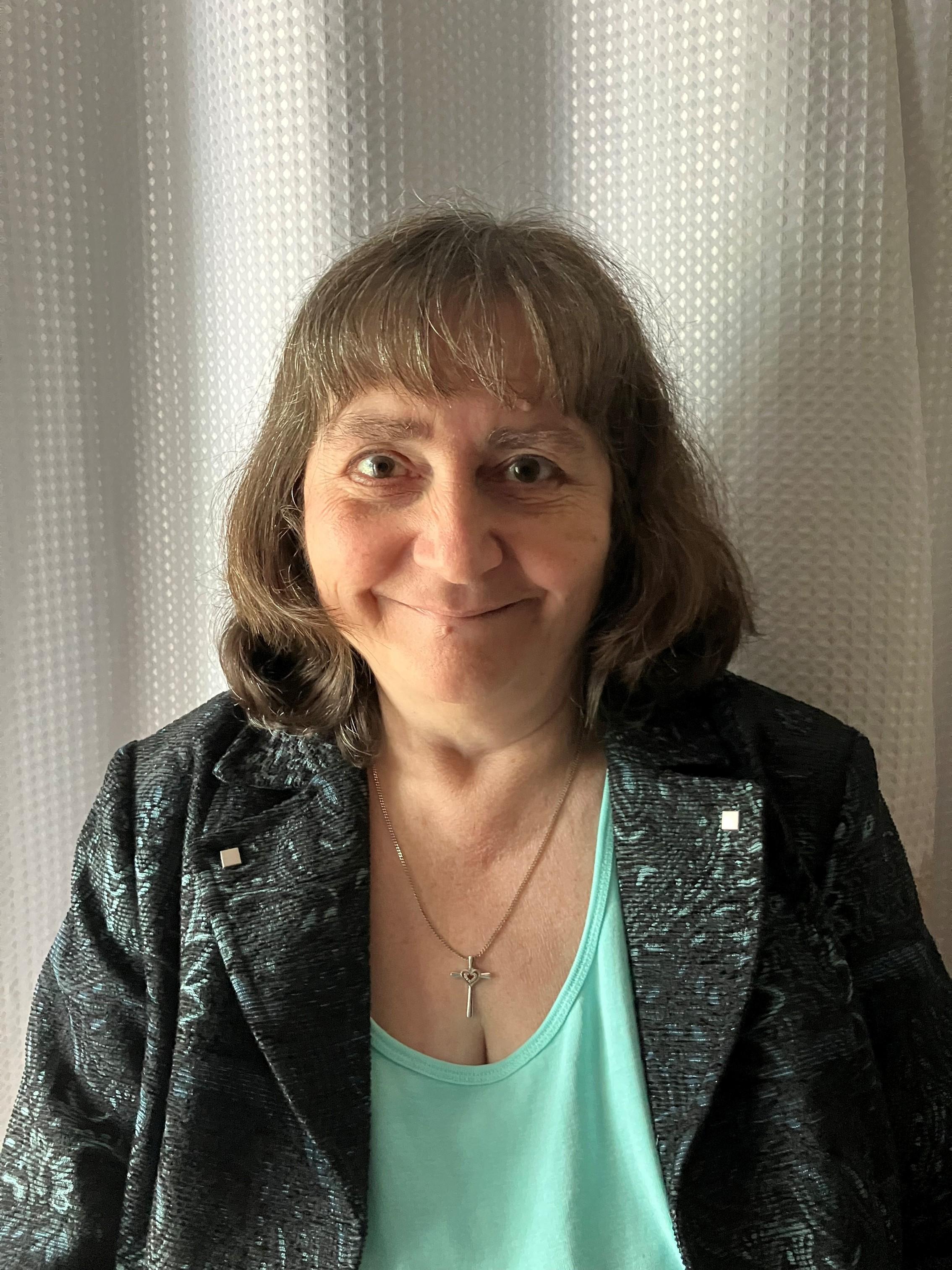
“My mum and I have had very different experiences in our journeys with MS. The changes in research and treatment options have been incredible over the last three decades. The impact these improvements have had in the quality of life of people living with MS are tangible in our MS experiences.
In 1984, my mum was told there were no medications for MS available and was told to go home and rest. By 1997, I was able to choose from three treatment options and was advised to stay active. At age 49, my mum needed to live in long-term care and at the time there was no age appropriate resources available for her. Today, there are Federal guidelines to provide mental health support for young people living in Long-Term Care. My mum passed away at 55 years old after being paralyzed by progressive MS. I turned 55 this year, and am acutely aware that I have outlived my mum. I try my best to live an active lifestyle, as much as my body allows me to. I believe that access to newly developed treatment options has had a tremendous impact on my ability to not only manage my MS symptoms but enjoy a lifestyle that was not necessarily available to people living with MS in my mum’s generation.”
-Andrea Butcher-Milne
In Memoriam - Julia Stewart
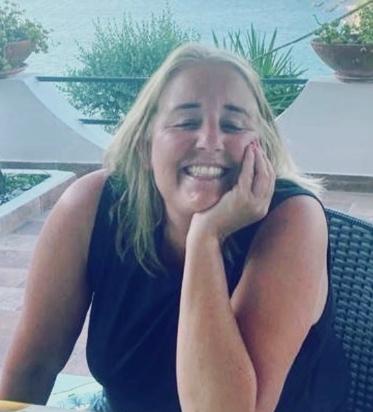
Julia Stewart, an esteemed member of the MS community, passed away in November 2024. A beloved friend to many living with MS, Julia touched many lives with her optimism, passion, and love for life. Having been diagnosed with MS in 2004 led her to join MS Canada’s mission where she would support Day on the Hill advocacy campaigns, fighting for access to treatment and support for people newly diagnosed with MS. For over 15 years she advocated for people living with MS and in 2021, Julia became Vice Chair of the Multiple Sclerosis International Federation’s (MSIF), People With and Affected by MS Expert Group. Two years later, in 2023 she joined MS Canada’s Board of Directors and in early 2024, she was elected Chair of the Government Relations Committee.
Julia was positivity, passion and kindness personified. We are grateful for her work, support and commitment to the MS Canada mission - to connect and empower the MS community to create positive change. Julia will be deeply missed, but her laughter and memory will forever live in our hearts. Our thoughts are with her family and friends.
Financials
From the $47,097,022 raised in 2024 and the $308,141 drawn from reserves$47,405,163 was invested in the community as follows:
funded lifesaving research, programs and advocacy
invested in community fundraising activities
towards
administration
Our Impact Goals
Advance Treatment and Care
Having access to a variety of effective treatment and care options for symptom management, wellness and self-care will help people on their unique MS journey.

Our MS Community
The collective action of our MS community – our joint dedication,
perseverance, time, and resources – is what drives change, pushes
boundaries, and will ultimately lead us to a world free of MS.
Who we are – understanding
diversity in our community
A better understanding of the diversity of people
living with MS is key to addressing health
inequities, creating better personalized
treatments and ultimately achieving better
health outcomes for people living with MS.
To date, there is little work in Canada that
has characterized diversity in MS.
To address this knowledge gap, we initiated
a project with Dr. Ruth Ann Marrie, who is
leading the charge and driving change in the
research community by developing the first
guidelines on making clinical trials more diverse.
To find out more about diversity in the
MS community watch Dr. Robinson
and Dr. Langer-Gould