- Research
- November 4, 2026
Faces Behind the Science: Lisa Eunyoung Lee
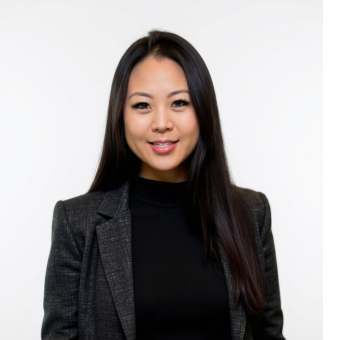
Dr. Lisa Eunyoung Lee’s journey from an MS Canada-funded Doctoral trainee to a career in medical education highlights how research training can open doors to diverse career paths. Today, Lisa works as a Medical Education Coordinator, drawing on the scientific knowledge, communication skills, and research experience she developed throughout her academic career. Before transitioning into her new role, Lisa trained as a Doctoral student and Postdoctoral fellow under the supervision of Dr. Jiwon Oh at the BARLO MS Centre at St. Michael’s Hospital.
Lisa’s research focused on understanding what contributes to disease progression in multiple sclerosis (MS). Through her work with the Canadian Prospective Cohort Study to Understand Progression in MS (CanProCo), Lisa used advanced magnetic resonance imaging (MRI) to study changes in the brain and spinal cord that are linked to MS progression.
Follow Lisa’s journey into MS research and discover how her involvement in our research and advocacy programs opened doors, supported her passion and inspired her career in research and healthcare.
Could you tell us about your current role?
I now work in the pharmaceuticals industry as a Medical Education Coordinator, where I help plan educational programs for healthcare professionals across different areas of medicine. I ensure programs run smoothly and they meet scientific and regulatory standards. Ultimately, the goal is to create meaningful learning experiences that help healthcare professionals stay informed to support better patient care.
What motivated you to conduct research in the MS field?
What motivated me the most is the people. I saw the resilience and strength of people living with MS, and I’m thankful to them for generously donating their time to participate in research. They reshaped how I think about research – not just in generating new knowledge, but in understanding their most pressing concerns and aligning my research to make the greatest impact.
I’m also motivated by the people I worked with through my Doctoral training and Postdoctoral Fellowship – my supervisors (Dr. Jiwon Oh and Dr. Tom Schweizer), mentors, collaborators, and colleagues. Together, the MS community and the scientific community made my academic journey meaningful and deeply rewarding!
How was your experience being part of a large national study like CanProCo?
My research used data from the CanProCo study, led by Dr. Oh. CanProCo is a national study that follows about 1,000 people living with MS across Canada. It brings together experts from different fields of study including epidemiology, health outcomes, health economics, imaging, and neuroimmunology, working together to identify specific factors that contribute to disease progression in MS.
As an imaging researcher, I analyzed advanced MRI measures in the brain and spinal cord to better understand progression in MS. I collaborated with clinicians, scientists, and other stakeholders, and saw firsthand how large collaborative studies are designed and executed. I also saw how different areas of expertise came together to answer important clinical questions.
Being part of a large, multi-site research study like CanProCo taught me the importance of collaboration, communication, and problem-solving skills. As a Medical Education Coordinator, I’m working with people that have different priorities and perspectives, so I learned to listen, adapt, and align our goals to find a solution for everyone involved.
How has MS Canada supported your training and career trajectory?
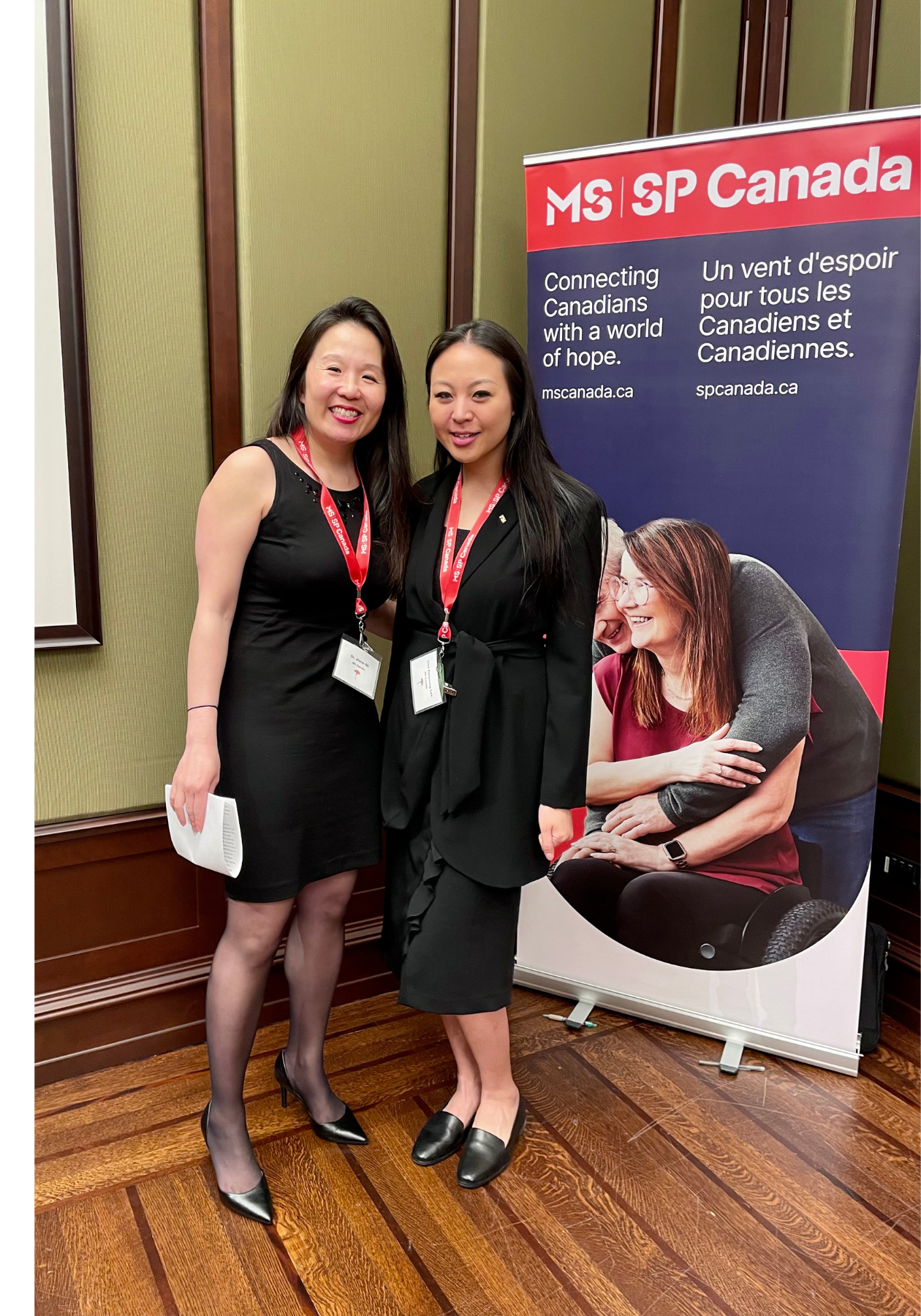
MS Canada has supported my training and career in many meaningful ways. I received an endMS Doctoral Studentship Award, which allowed me to advance my PhD work, and participated in the endMS Summer School through the National Training Program, where I further developed my research knowledge and skills. At the 2023 endMS Conference, I had the opportunity to present my research to donors and talk about its relevance and potential impact for the MS community. I’ve also participated in MS Canada’s Day on the Hill event for two years, which is one of the most memorable parts of my training.
These experiences helped me build not only knowledge, but also practical, transferable skills, like leadership, strategic thinking, and communication that have helped me in my career. I also carry the scientific knowledge I gained through my training, especially my understanding of clinical research and how to interpret scientific data.
To see the recipients of the 2026 endMS Personnel Awards, please visit our Funding Announcements Page.
Want to meet more MS researchers? Learn more about the research and career journeys of Paul Yoo and Atefeh Rayatpour.
More Stories You May Like
- Log in to post comments