- From the Community
- September 25, 2026
Finding Connection: MS Canada’s 1:1 Peer Support Program
An MS diagnosis can bring many emotions: uncertainty, fear, questions and, sometimes, the feeling that no one truly understands what you're going through.
While every person's MS journey is unique, connecting with someone who has lived experience with the disease can provide comfort, encouragement, and reassurance during some of life's most challenging moments.
Our 1:1 Peer Support Program connects people living with MS and their loved ones with trained peer volunteers who have lived experience with the disease. Through one-on-one conversations, they have a safe and confidential space to share their experiences, ask questions, and connect with someone who understands.
For some, peer support means having someone to talk to during a difficult time. For others, it can mean finding community, gaining confidence, or realizing they aren't alone.
The stories below offer a glimpse into the experiences of people who've taken part in our 1:1 Peer Support Program as both participants and volunteers. Together, their stories highlight the difference that meaningful peer connections can make.
Amanda's Story
In 1998, Amanda began experiencing unusual sensations on the left side of her body. After visiting the hospital and her family doctor, she learned she had relapsing-remitting MS.
Amanda found value in connecting with others through face-to-face support groups. However, seeing the different symptoms other people experienced also made her worry about what might happen to her.
Years later, Amanda found herself facing many challenges at once. While experiencing a new MS relapse, she was also grieving the loss of her father and supporting her mother who was in the hospital.
"I needed someone outside the family to talk to."
At the time, Amanda says she was stressed, depressed, and overwhelmed. She knew she needed someone to talk to, "and not for 5 minutes," she shared.
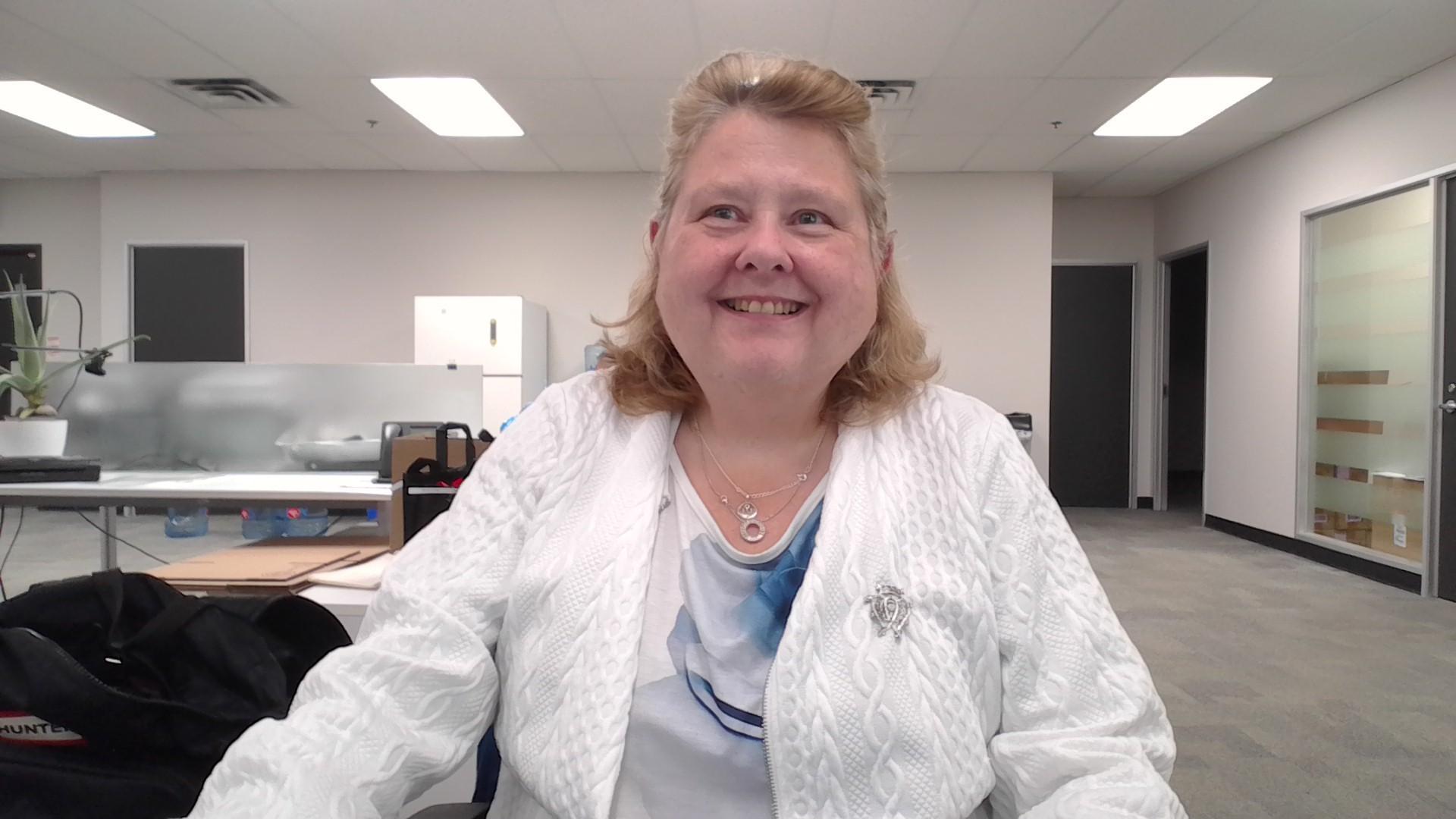
Through our 1:1 Peer Support Program, she connected with a peer volunteer who listened to what she was going through.
"It was good to talk. There was no judgement, no matter what I said."
Amanda liked that her peer volunteer listened before offering suggestions and asked questions that helped her explore her feelings.
"It felt good knowing someone cared and could relate."
This support also helped Amanda find practical ways to manage changes in her MS. Her peer volunteer suggested she start a diary to keep track of what she was feeling, including new symptoms and changes in existing symptoms. Amanda was then able to bring those updates to her next neurology appointment.
She also learned to focus more on her own needs. When things changed at home, she began taking on responsibilities in smaller steps and looking for ways to get other family members to help. For anyone unsure about signing up for the 1:1 Peer Support Program, Amanda encourages them to reach out when they feel ready.
Lynn's Story
When Lynn was first diagnosed with MS in 1989, she remembers receiving uncertain news.
"I received the news that I 'might have MS' and that 'time will tell.'"
At the time, there were no disease-modifying therapies or support groups available to her. Lynn describes having two big feelings at once: devastation and denial.
"The most difficult part of navigating life with MS was feeling scared and not having someone to talk with who really knew what I was going through."
Over time, Lynn found a community of people living with MS. She took part in activities with others, including cycling, art classes, and planning small conferences for people with MS.
Through those experiences, Lynn saw the importance of helping others feel included and capable. That inspired her to become a volunteer and give back to the MS community.
Today, Lynn volunteers with our 1:1 Peer Support Program.
"Being a peer support volunteer means lending an ear and talking through the tough stuff."
For Lynn, volunteering has also influenced her own MS journey.
"It's helped me to 'walk the talk' in my own MS journey."
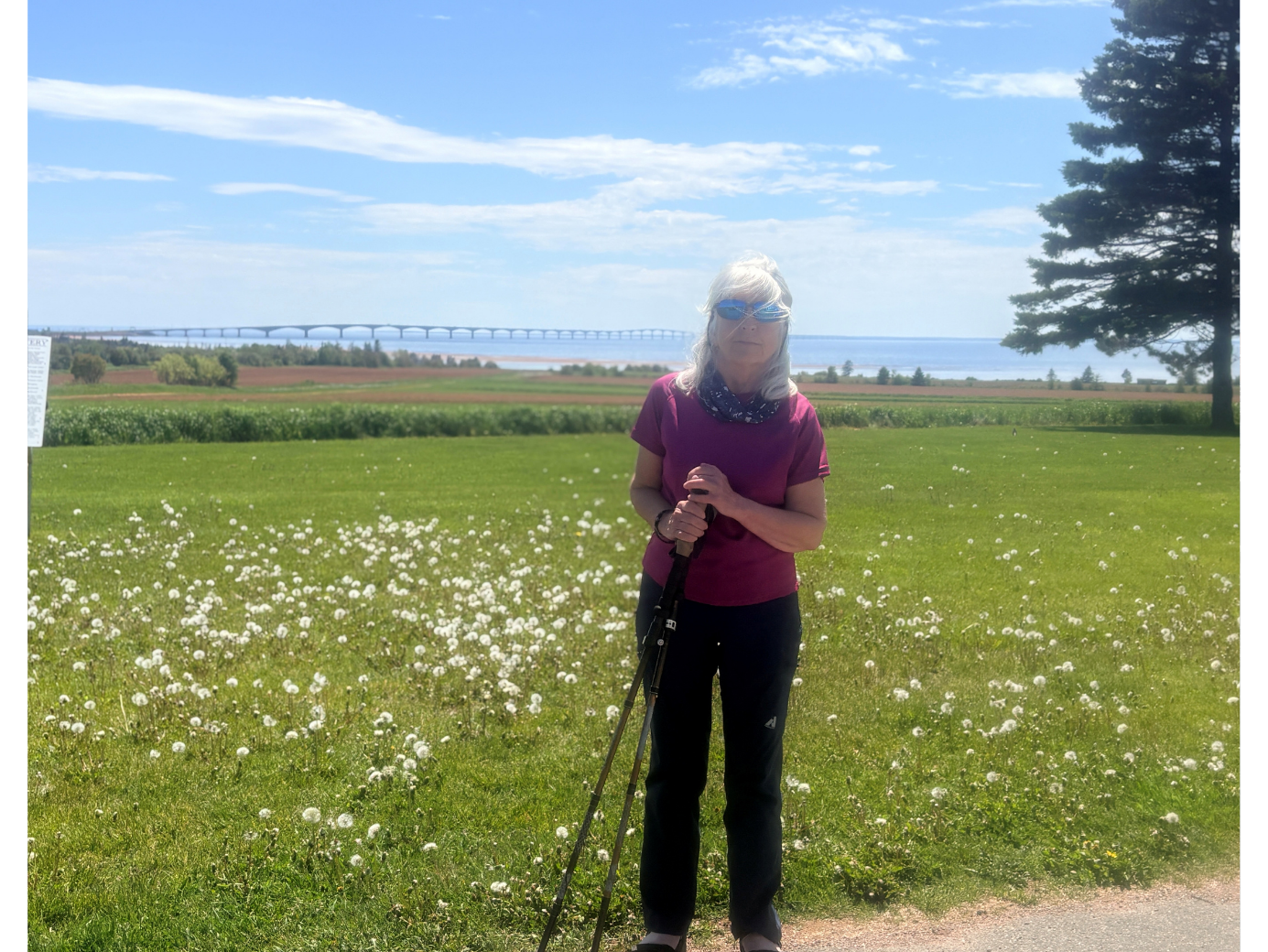
Lynn remembers one moment that showed her the impact of sharing her own experience with MS. During a bike ride with a friend, she told her that she had MS. Her friend thanked her for sharing.
At first, Lynn found the response surprising. Her friend explained that knowing someone with MS, who was managing well, would help her give encouragement to others with MS.
"I felt courageous and empowered, not silent and fearful."
For Lynn, connecting with someone who has similar experiences can be an important part of coping with and managing MS.
"I think connecting with someone who has similar experiences is essential to coping and managing MS and should be a part of everyone’s MS journey."
She also believes people should have opportunities to learn about support and resources available to them. Through the 1:1 Peer Support Program, community members can have a confidential space to talk to someone going through similar experiences and ask questions they may not feel comfortable discussing with others in their life.
For anyone who's hesitant to reach out for peer support, Lynn says that talking with someone with similar experiences might be helpful "when they’re ready."
And for someone who's recently been diagnosed with MS, she has a message of encouragement:
"You have a lot of life ahead of you. You may have to live it a bit differently, but things will be okay."
Whether you're looking for support or hoping to support someone else, peer connections can make a meaningful difference.
Interested in connecting with a peer volunteer? Learn more about our 1:1 Peer Support Program and apply to be matched. Our trained volunteers are ready to connect with members of the MS community and provide support.
More Stories You May Like

- Log in to post comments