- From the Community
- October 28, 2026
Finding Support Through Uncertainty: Michelle’s Experience with CPP-D Application Support (CAS)
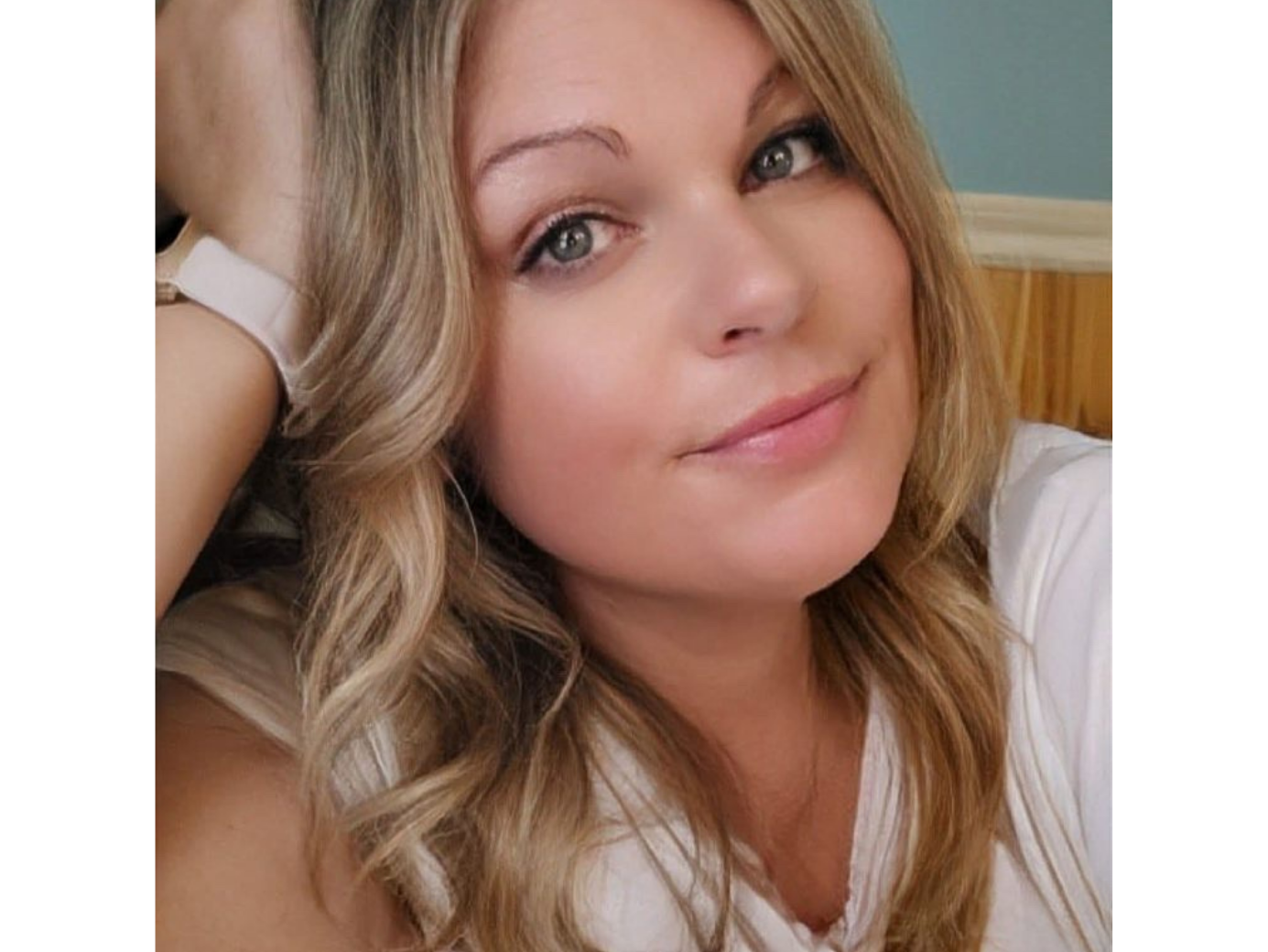
Applying for Canada Pension Plan Disability (CPP-D) benefits can feel overwhelming, especially when you’re already navigating life with MS.
For Michelle, submitting her CPP-D application came at a time when she was adjusting to an MS diagnosis, changing symptoms, and uncertainty about her financial future.
Michelle had been experiencing unexplained symptoms for years. Then, in early 2025, she began having episodes where a strange sensation would slowly move up the left side of her body, from her foot all the way to her head. Her body would seize up and her left hand would curl into a C-shape and she couldn’t control it. The episodes lasted less than a minute but could happen up to 10 times a day.
At the same time, Michelle was dealing with depression and had stepped away from her job, taking an unpaid leave of absence. After she was advised not to drive alone because doctors suspected she was having focal seizures, returning to work became unrealistic.
Eventually, an MRI revealed numerous lesions in her brain. After months of testing and appointments, Michelle’s MS diagnosis was confirmed in January 2026.
Getting an answer brought some clarity, but it also came with new questions.
“Was I going to end up needing a cane? Was I going to end up in a wheelchair? How different was my life going to become? What was going to happen to me as a person, and how much was my identity going to change?”
She was also worried about how she would manage financially. I was off work and had very little income coming in,” Michelle says.
She turned to Facebook groups to look for information about the Canada Pension Plan Disability (CPP-D) and financial support.
“A lot of people were scared about how they were going to survive, and I was scared too,” she shares. “I wondered if I was going to end up living in my car, or if I would even have enough money coming in to keep my car. It was very stressful.”
She spoke with her doctor about applying for CPP-D, and he agreed she should apply.
Then she saw the application.
“I started looking at the application and thought, ‘WOW, how am I going to get through this?’ It was very overwhelming.”
Michelle was trying to navigate the application while also adjusting to her diagnosis and wondering what the future might hold.
Looking for answers, Michelle visited the MS Canada website and connected with an MS Navigator.
“I had a new diagnosis and no idea what I was supposed to do next,” she says.
The MS Navigator explained the different programs and services available through MS Canada, including the CPP-D Application Support (CAS) program, which helps MS community members complete sections C2 and C8.
For Michelle, learning she didn’t have to navigate the CPP-D application alone was a huge relief.
“It honestly felt like the clouds opened and the sun started shining,” she says. Michelle was put in touch with MS Canada volunteer and just one week after her MS diagnosis was confirmed, they began working on the application together.
"We scheduled a video call so we could get to know each other, discuss what she could and couldn’t help with, and figure out how we would work through the application together."
MS Canada volunteers don’t complete the full CPP-D application. Instead, they help with sections C2 and C8, which require applicants to explain how their disability affects their daily functioning and ability to work.
Michelle met with the volunteer once a week virtually, and they worked through the two sections of the application.
“The process was simple: I talked, she asked questions, and she wrote,” Michelle explains.
That simple process made a big difference.
Michelle described what was happening in her life and didn’t have to worry about trying to put her experiences into application language. She also shared relevant supporting information, which the volunteer reviewed and incorporated into the appropriate sections.
“That was extremely helpful because I was dealing with brain fog and had a harder time staying on task,” Michelle says.
For Michelle, one of the most important parts of the experience was feeling heard.
“When you talk to doctors about symptoms and sometimes feel dismissed, it can make you question yourself. When I was speaking with the volunteer, I didn't feel dismissed. I was heard,” she shares.
That meant Michelle could talk openly about symptoms that were difficult, embarrassing, or uncomfortable without feeling judged.
“It was almost therapeutic in the sense that I could talk about what was happening without feeling like I was complaining, I always left our meetings feeling good about myself and about the progress we were making. She was my rock throughout the process. I will always appreciate how much help she gave me.”
When the application was complete, Michelle felt confident that she had properly represented how MS was affecting her life. She took the information to her doctor, who was able to review and sign off on his portion before submitting it.
In July 2026, Michelle received her CPP-D approval.
“Without that approval, I honestly feel like I could have ended up living in a tent with my dog and my daughter,” she says.
Having a monthly income has brought Michelle a sense of stability at a time when she is already managing the realities of life with MS.
“It's awful to have to worry about your diagnosis, current symptoms, treatments, and money all at the same time,” she noted. “Being able to take one of those major stressors off the table lifts a huge weight from your shoulders.”
That stability has allowed Michelle to focus more of her energy on her health and well-being rather than constantly worrying about how she will make ends meet.
“CPP-D didn’t make MS disappear, but it gave me some stability around the MS,” she says. “That stability has made a very real difference in my daily life.”
For Michelle, the support she received through the CAS program was about more than completing an application. At a time when she was overwhelmed by a new diagnosis, uncertain about her future, and worried about her finances, having someone guide her through the process helped her feel capable of moving forward.
“I would 150% recommend this program to other people living with MS who need financial support. It was truly a lifesaver for me."
Michelle's advice is to reach out early rather than trying to figure everything out alone.
“You really don’t have anything to lose by doing it,” she says. “You can save yourself so much hassle by working with someone who understands what’s needed in the application and can guide you toward the information that’s important. The CPP-D decision process can take a long time, so why not start with the strongest application you can?”
Click here to learn more about our CPP-D Application Support and how to get started.
- Log in to post comments