- From the Community
- July 8, 2026
Power in the Pause: Rachel’s Journey With MS
“There’s one important thing living with MS has taught me: your life doesn’t end with a diagnosis—but it does change, and it’s okay to take time to catch up.
I was officially diagnosed with MS in 2025, but my journey started long before that. I just didn’t know it yet. While navigating a brain tumour, my first MRI scan showed lesions. I did my own research on MS at the time, but I was told the lesions weren't anything to worry about at that moment.
About a year after my brain surgery, my leg became numb for the first time. That’s the moment things shifted and eventually led to my MS diagnosis.
For me, MS wasn’t one defining moment, there were layers to it. Living with Type 1 diabetes, undergoing brain surgery, and then MS. At some point, I stopped asking, ‘Why is this happening to me?’ and started figuring out how to live with it.
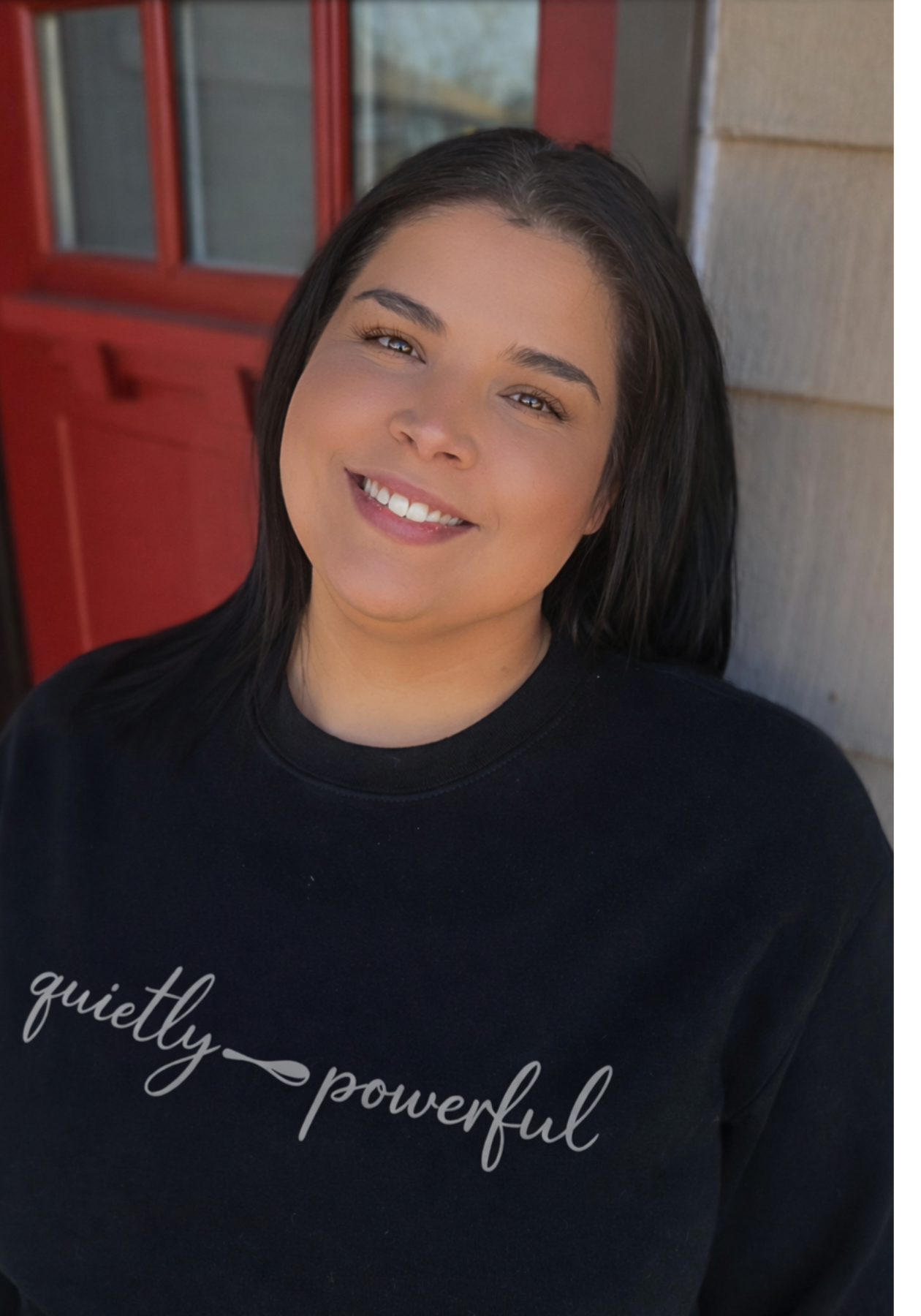
When I was diagnosed with MS, my mind immediately went to the worst-case scenarios. I started thinking about my future, my independence, everything at once. There’s pressure to be strong right away, but the truth is, it’s a mix of fear, confusion, and trying to process a life you didn’t see coming.
Day to day, living with MS means constantly adapting. I’ve learned that pushing my body to its limit isn’t always the answer, and sometimes slowing down is the strongest thing you can do. Before my diagnosis, I was someone who could push through anything. With chronic illness, pushing myself too far can actually make things harder. MS has taught me the importance of listening to my body, setting boundaries, and redefining what strength looks like. I’m more aware of my energy levels, plan accordingly, and accept that some days will look different than others. My body doesn’t run on consistency now, it runs on negotiation.
My husband, family, and online community have helped me feel seen and supported. There’s something incredibly powerful about having a support system that lets you show up authentically and connect with others who understand what you’re going through. Spending time with my family, and small everyday moments have become more meaningful. This sense of connection is a big part of why I share my experience online, and why I’m writing a memoir. Knowing my story might help someone else feel seen motivates me to keep going on difficult days. Chronic illness can feel isolating, and sometimes what people need most is to feel less alone. The process has been both healing and challenging. It’s meant revisiting difficult moments, but also turning them into something meaningful.
The progress being made in MS research gives me hope. Funding research is critical because it directly impacts people living with MS. It leads to improved treatment, better understanding, and hopefully one day a cure. It’s not just about today, it’s about building a brighter future for those who are diagnosed after me.
MS is often an invisible illness, and because of that, it can be misunderstood. The more we share real experiences, the more awareness and momentum we create for meaningful change.
In the beginning, everything felt heavy and uncertain. Over time, I’ve learned to live with MS, instead of constantly fighting against it. While there’s still uncertainty, there’s also possibility, understanding, and acceptance.
You don’t have to figure everything out right away. You’re allowed to feel overwhelmed, and you’re allowed to grieve. But your life isn’t over. It’s just going to look different, and different doesn’t mean less.”
- Log in to post comments