Message From the President
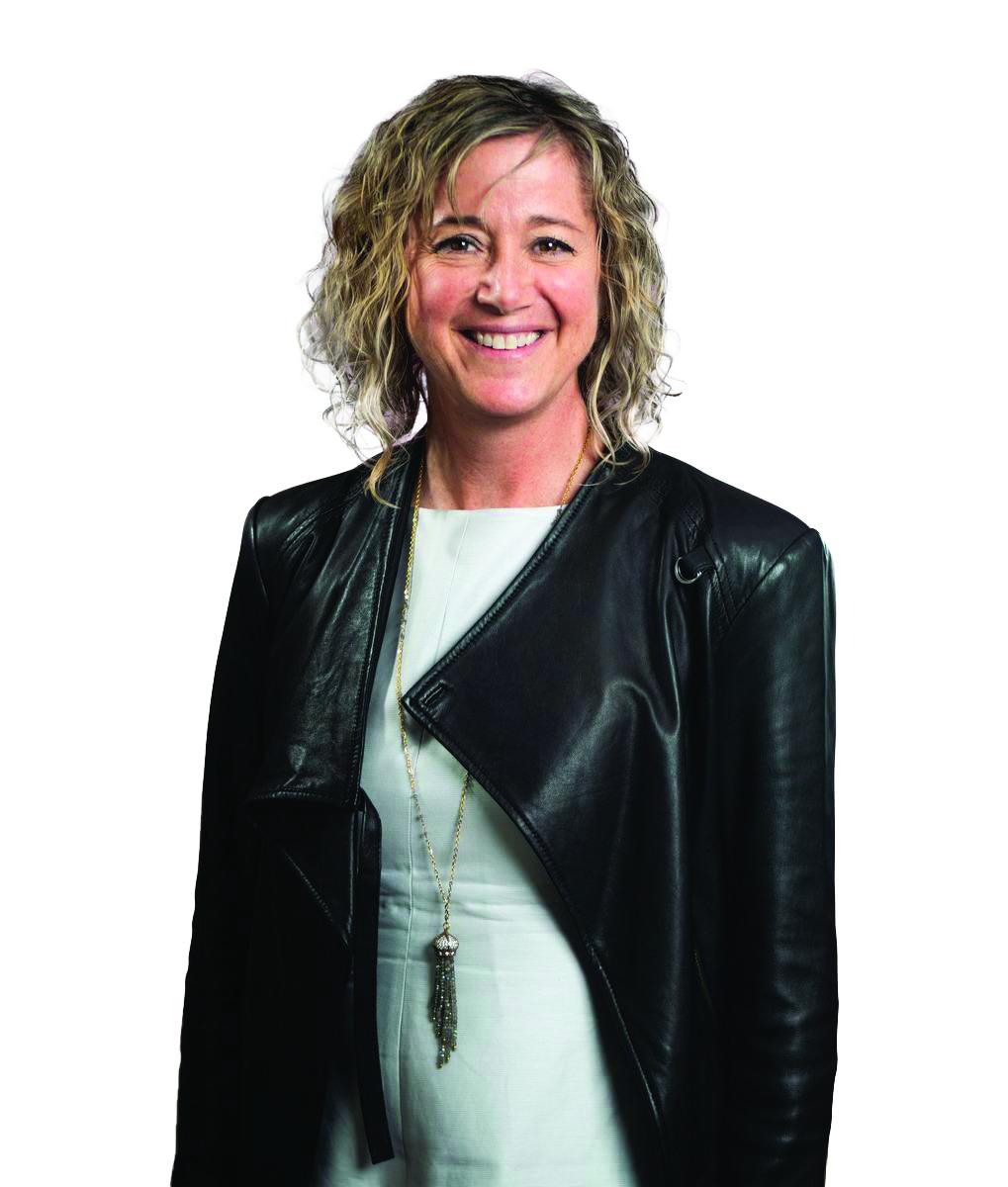
This fall, we’re excited to share the incredible strides being made thanks to your support. Across Canada, researchers, healthcare professionals and people living with MS are coming together to turn bold ideas into real progress. Your generosity is the engine behind every breakthrough, and we are truly grateful.
At MS Canada, your contributions make it possible to fund pioneering research and deliver programs that help people live better with MS. In this issue of MS Progress Report, you’ll meet Dr. Jennifer Gommerman, whose work is shining new light on the immune processes that drive MS progression. By exploring targeted ways to reduce inflammation in the brain, her research is opening doors to more personalized and effective treatments for those living with MS.
You’ll also learn about Dr. Luc Vallières. His research highlights the critical impact of your donations as his team is exploring a promising new approach to MS treatment by blocking harmful autoantibodies that attack the nervous system.
Your support also helps fuel hope for Canadians living with MS — like Christina, our cover feature, who is reflecting on 10 years of living with this disease. I hope you’ll take a moment to read about her remarkable journey, filled with strength and determination.
While MS remains one of Canada’s most common neurological conditions, I have never been more optimistic for the future. Together, we’re not just making progress — we’re building a future full of possibilities.
Sincerely, 
Dr. Pamela Valentine
President and Chief Executive Officer
MS Canada
A Decade of Strength: Christina’s Evolving Journey With MS
Christina Andaya has spent the past 10 years learning how to live with multiple sclerosis (MS) — not by slowing down, but by adapting and pushing forward, even when the path feels uncertain.
Diagnosed at 21, Christina remembers the initial confusion she felt. As her symptoms developed over time, that uncertainty slowly but surely shifted into determination — to live a full life, despite her MS.
Over the past decade, Christina has built a strong foundation to support her. She credits her medical team for helping her stay stable and empowered. “My squad of doctors are my sword and shield to fight MS each day,” she says. With consistent treatment and support, she has found a way to manage the unpredictability of the disease while continuing to pursue her goals.
“If the fight starts with me, it will end with me,” Christina says.
In the midst of her MS journey, Christina reached the beautiful life milestone of becoming a mother. Her daughter, Marina, has brought immense joy and a renewed sense of hope to her life. While she had a positive experience during pregnancy, the postpartum period introduced new challenges that she continues to navigate. Through it all, Christina remains deeply grateful and focused on what matters most.
Balancing motherhood and MS is not easy. Christina navigates physical exhaustion and the demands of caring for a young child by leaning on her support system. With help from her partner, her mother and her family, she’s able to rest when needed and continue showing up for her daughter. “There are a lot of physical and mental aspects of it that affect me the most,” she explains, emphasizing the importance of taking breaks and accepting support.
Beyond her personal journey, Christina has also found purpose in advocacy and community. Through her involvement with MS initiatives and connections made on social media, she has built relationships with others who understand life with MS. These connections remind her that while each experience is unique, she is not alone.

Reflecting on the past 10 years, Christina embodies both honesty and hope. She acknowledges the emotional weight of being the only person in her family with MS, while still encouraging others to embrace their own journey.
Looking ahead, Christina remains optimistic. She continues to pursue her education in business marketing, explore career opportunities and advocate for better access to care and treatment. Most importantly, she holds onto hope for a cure thanks to research funded by donors like you.
Through resilience and unwavering determination, Christina is proving that life with MS is not defined by limitations, but by the strength to keep moving forward — one day, one challenge and one victory at a time.
Be the first to hear about the latest updates, events and how you can make a difference in the lives of Canadians affected by MS. Sign up for email updates today.
Know the Symptoms of MS
MS can show up in many ways, and noticing changes early can help you get the right care. There’s no single early sign or symptom, and everyone’s experience is different. Some common symptoms of MS include:
- Numbness or tingling
- Vision changes
- Muscle weakness or spasms
- Fatigue
- Dizziness or vertigo
- Bladder or bowel changes
- Cognitive or mood changes

Spotlight on Research
Dr. Jennifer Gommerman
Dr. Jennifer Gommerman’s journey in MS research began with a curiosity about the immune system and a desire to better understand what drives disease progression. Now a Professor of Immunology at the University of Toronto, Dr. Gommerman has spent decades advancing our understanding of how the immune system impacts the brain in MS.
“Science is a demanding discipline — one can never be over-confident as science will always surprise us.”

In a recent study, Dr. Gommerman and her team made important strides in understanding “compartmentalized inflammation,” a process where immune cells become trapped within the central nervous system and contribute to ongoing damage. These immune cells can form clusters, making them a key factor linked to disability progression in MS.
Using a specialized mouse model that closely mimics this process, the team discovered that a newer class of therapies can help target these immune clusters. Treatment with these types of therapies reduced both the formation of these clusters and damage to brain tissue, offering promising insight into how MS progression could be slowed.
Collaboration plays a central role in Dr. Gommerman’s work. “Collaboration, with local, national and international colleagues is the backbone of my research,” she says. This collective effort allows her team to translate complex scientific discoveries into meaningful advances for people living with MS.
Dr. Gommerman also emphasizes the importance of continued support for research. “Absolutely critical,” she says, referring to the funding she receives from MS Canada, which helps drive innovation and discovery.
Through her work, Dr. Gommerman is helping to unlock the complex biology behind MS progression and paving the way for more targeted, effective treatments. Her research offers hope for a future where care is not only more precise, but more impactful for everyone living with MS.
To learn more, visit mscanada.ca/drgommerman
Targeting a New Pathway in MS Treatment
Blocking Harmful Autoantibodies
Researchers in Canada are exploring a promising new approach to treating MS by targeting one of the disease’s underlying drivers: harmful autoantibodies.
In MS and related conditions, the immune system can produce “autoantibodies” that mistakenly attack the body’s own nervous system, leading to inflammation and damage. While current treatments help manage the disease, there are no therapies that specifically eliminate these harmful autoantibodies.
A research team led by Dr. Luc Vallières at Laval University is working to change that. Their study focuses on a newly developed drug designed to block these damaging immune responses and potentially support recovery from MS-related injury.
The team created a modified therapeutic autoantibody, engineered with a small molecular change that prevents it from triggering harmful effects. When tested in mice with MS-like disease, treatment results showed reduced disease severity, improved motor function and even delayed the onset of symptoms. While further research —particularly in humans — is still needed, this work represents an important step toward more precise and effective treatments.
If successful, this approach could open the door to new therapies not only for MS, but also for related immune disorders, offering renewed hope for improved function and quality of life.
To learn more, visit mscanada.ca/antibodies
Rethinking Diet in MS

Researchers are looking beyond traditional drug therapies to find new ways to reduce inflammation and improve outcomes for people with MS, and one promising avenue is diet.
In particular, Dr. Catherine Larochelle and the team are investigating methionine, an amino acid found in high levels in meat and common in Western diets. Excessive methionine intake has been linked to increased inflammation and accelerated aging — both key factors in MS progression.
In this MS Canada-funded pilot trial, made possible by dedicated volunteers, researchers are examining whether dietary methionine is beneficial, practical and well tolerated. If successful, this strategy could offer a safe and accessible way to improve long-term outcomes for people with MS.
Visit mscanada.ca/trials to learn more about our clinical trials.
Give once a month.
Make an impact every day.
EASY
Set up your monthly gift in minutes and change it at any time.
CONVENIENT
No more stamps or envelopes, just make your selections and you’re done.
REWARDING
You’ll feel good knowing you’re helping Canadians living with MS, 365 days a year.
Read Past Editions of the Progress Report
Read past editions of the Progress Report to learn about the work that brought us here today.