- Research
- September 10, 2025
Faces Behind the Science: Atefeh Rayatpour

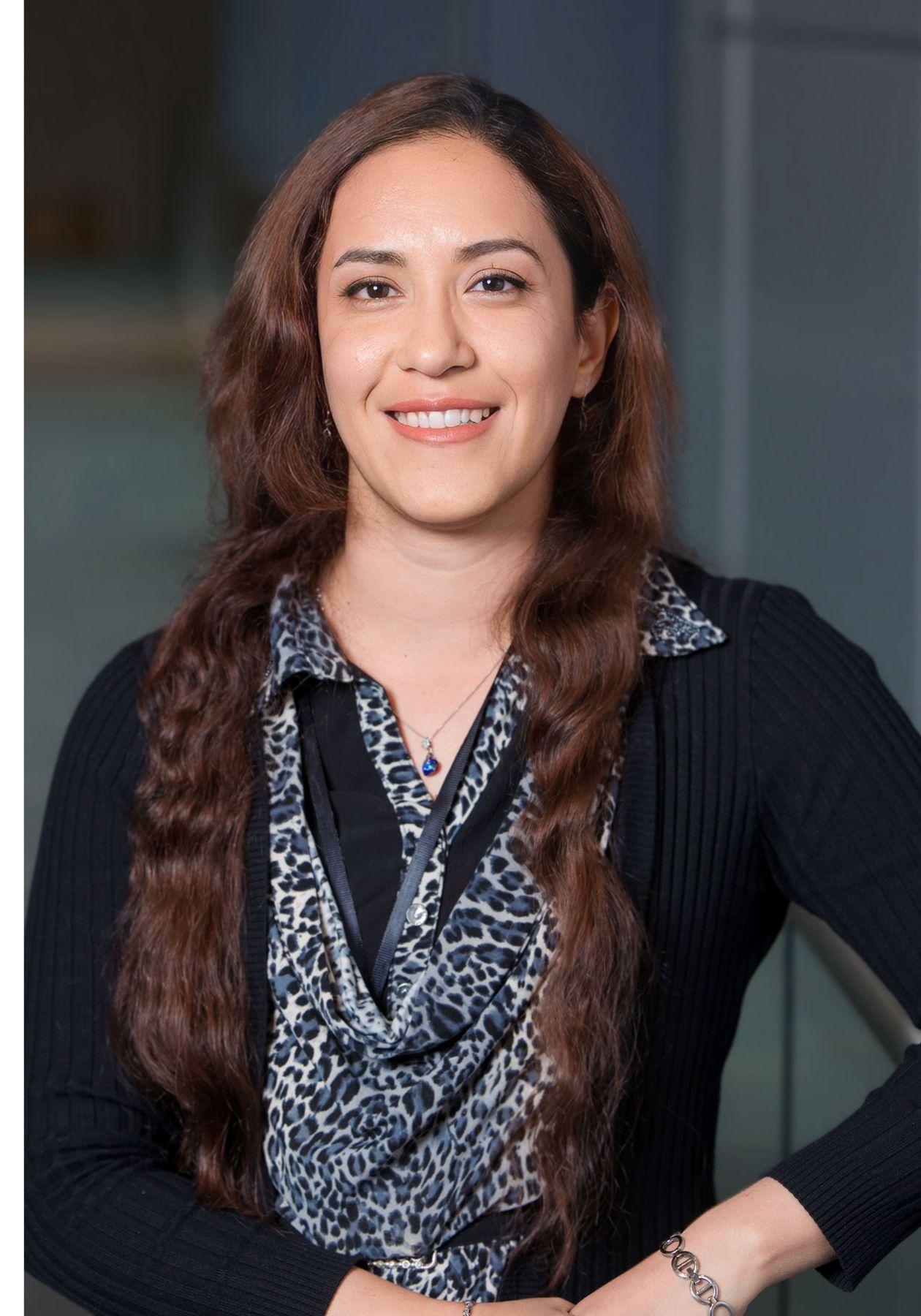
Meet Dr. Atefeh Rayatpour, a passionate researcher who’s helping shape the future of multiple sclerosis (MS) research. As a postdoctoral fellow at the Hotchkiss Brain Institute at the University of Calgary, under the supervision of Dr. Wee Yong since 2023, Atefeh is diving deep into the complexities of MS. In 2024, Atefeh was awarded the inaugural Rebecca Scott Rawn endMS Fellowship through MS Canada's Personnel Award competition – recognizing her outstanding potential and dedication to the field.
In this blog, you’ll learn about her journey into MS research, her work on understanding oxidative stress and its impact on neuroprotection, and how our support is helping her propel her research career forward.
What inspires you to conduct research in the field of MS?
My journey into MS research began when I was working as a nurse in the intensive care unit of my hometown hospital in Iran. While caring for people with neurological disorders, I became curious about how the brain and nervous system work and what are the mechanisms behind neurodegenerative diseases. This curiosity inspired me to pursue further education.
In 2017, I started my PhD journey in neurophysiology with Dr. Mohammad Javan at Tarbiat Modares University in Tehran. The experiences and knowledge I gained during my doctoral training further deepened my commitment to understanding and addressing the challenges caused by MS. After that, I decided to pursue postdoctoral training with Dr. Wee Yong with the goal of translating scientific findings within the lab into treatments that could be used in the clinic for people living with MS.
What’s the focus of your research?
Developing new and effective MS treatments has been challenging because we don’t have a complete picture of the biological processes that drive nerve damage in MS. We believe the presence of harmful molecules and processes like oxidative stress could be a key contributing factor, but we need to better understand how it affects the disease or if there are ways to protect against it.
In my current project, I’m studying a protein called NOX2 which produces oxidative stress; this happens when there’s an imbalance in the body between free radicals (unstable molecules that can damage cells) and antioxidants, which neutralize those free radicals. Oxidative stress is most likely contributing to neuroinflammation and demyelination in MS. My goal is to test new antioxidant treatments that target NOX2 and oxidative stress to determine if they effectively protect nerve cells and promote brain repair.
How important is the support from MS Canada in your research?
Receiving funding as a Rebecca Scott Rawn endMS Fellow is crucial for advancing my research training in MS. This fellowship provides the necessary funding to conduct new research, allowing me to explore innovative approaches and techniques that might otherwise be inaccessible. It opens doors to collaborative opportunities with leading scientists and institutions, enhancing the quality and impact of my work.
This prestigious recognition also significantly boosts my career path, opening further opportunities to pursue research. Most importantly, this funding supports research that aims to improve the lives of those affected by MS by understanding disease mechanisms, building the foundation for developing better treatments, and ultimately contributing to the goal of one day finding a cure for MS.
Want to learn more? Hear Atefeh describe her important research.
To see the recipients of the 2025 Personnel Awards, please visit our Funding Announcements Page.
More Stories You May Like


- Log in to post comments