- Research
- December 12, 2025
Reflecting on a Year of Innovation and Advancements in MS Research
2025 MS Research Year in Review
As we close out the year, we want to pause and reflect on the incredible strides we’ve made together in MS research. MS research moves faster and farther thanks to the power of our MS community. This year has been marked by transformative ideas and collaborative efforts that continue to shape our understanding of MS. Join us as we look back on the highlights of the past year, celebrate our collective achievements, and set the stage for more exciting opportunities ahead.
In 2025 alone, we’ve added $9 million dollars towards our investment in research, bringing our investment in current projects to over $34 million. This was only possible through the valuable contributions and generous support from our MS community, including people living with MS, event participants, volunteers, fundraisers, donors, research partners, researchers, clinicians, and many others!
Here are some research advances, and newly funded research from this past year, which highlight the progress made towards our impact goals.
Advancing Treatment and Care
Optimizing Treatment for Women with MS
Canadian neurologist and MS Canada funded researcher, Dr. Kristen Krysko, was awarded the 2025 Rachel Horne Prize for Women’s Research in MS. This international award recognizes a woman scientist for their outstanding contribution to research in the understanding and treatment of women’s health issues in MS.
Dr. Krysko created a women’s health and pregnancy MS clinical and research program at the BARLO MS Centre in Toronto. Her work focuses on optimizing treatment and understanding the safety of MS therapies around pregnancy and postpartum while breastfeeding. She’s looking at using blood biomarkers of MS to monitor disease activity around pregnancy so that healthcare providers can predict who’s at highest risk of relapses and provide appropriate treatment. Dr. Krysko’s pioneering research will help inform the care and support that women with MS may need during a pivotal time of their life. Learn more about Dr. Krysko’s award.
A Promising Tool for Self-Managing Depression in People with MS
We partnered with the National MS Society, in the United States, to support Dr. Robert Simpson’s (University of Toronto) trial that will test the effectiveness of an online course called Mindfulness-Based Cognitive Therapy, in managing depression, anxiety and other MS symptoms.
People with MS are at a higher risk of experiencing depression compared to the general population, and while effective treatments for depression exist, they’re not always accessible. If proven to be effective, Dr. Simpson will develop a program that can support Canadians living with MS, and experiencing depression, all from the comfort of their own home and on their own time. Read more about this study.
Targeting Harmful Autoantibodies for the Treatment of MS
In immune-related disorders like MS, the immune system can produce proteins called autoantibodies that mistakenly attack and damage your own nervous system. Research led by Dr. Luc Vallieres (Laval University) and funded by us, discovered a promising new drug that can block these autoantibodies and potentially prevent the damage seen in MS. Further characterization of the drug is needed, but if it’s found to be effective, this work will provide new ways of treating MS and other related immune disorders. Read more about this study.
Developing Treatments for Progressive MS
A new MS Clinical and Imaging Data Resource was launched by the International Progressive MS Alliance (the Alliance) – providing the academic and research community the opportunity to access and work on massive MS clinical trial datasets. This unique resource, which was a direct outcome of Dr. Douglas Arnold’s Alliance funded project, underscores the power of collaboration between researchers, clinicians, global MS organizations, industry partners, and people living with MS – all working together to accelerate our understanding of MS progression and finding solutions for progressive MS. Read more about this exciting initiative.
Dr. Wee Yong (University of Calgary) received one of three Development Awards from the Alliance. In this new study, Dr. Yong will use preclinical models of MS to determine if the medications, salbutamol (commonly used in asthma) and ibudilast (contains anti-inflammatory effects), can promote remyelination by targeting harmful microglia that are typically seen in progressive MS. Funding research at this early development stage will ensure that the right foundation is in place to be able to move to larger clinical trials. Read more about the study and other Alliance development projects.
Preventing MS
Early Detection and Prevention of MS
A new global effort is underway with MS Canada and MS Australia leading an initiative that aims to better understand MS risk factors and ultra-early detection so we could move towards preventing MS for future generations. This work is officially underway as researchers, clinicians, people with lived experience, and MS organizations from around the world gathered in Lisbon, Portugal earlier this year to determine research priorities in MS prevention. Read more about this new global initiative. You can also read more about the outcomes and recommendations from the first global workshop on MS prevention.
![[Researchers, clinicians and people living with MS gathered in Lisbon to for the first global workshop on MS prevention]](/sites/default/files/styles/original/public/images/2025-12/Prevention%201.jpg?itok=clFfOlhp)
![[Researchers, clinicians and people living with MS gathered in Lisbon to for the first global workshop on MS prevention]](/sites/default/files/styles/original/public/images/2025-12/Prevention%202.jpg?itok=uhXFY3ch)
New Findings on the MS Prodrome
A prodrome is a set of early non-specific signs or symptoms that happen years before a disease is officially diagnosed. Recent finding from Dr. Helen Tremlett’s (University of British Columbia) research on the MS prodrome, which we’ve supported for a number of years, showed that MS may begin far earlier than we previously thought – up to 15 years before the first classical neurological symptoms of MS. This research highlights opportunities for us to detect MS much earlier and allow for more effective disease management strategies. Read more about this study.
Genetic Screens to Identify New Targets for MS
Epstein-Barr virus or EBV infection is a known risk factor of MS and the virus can remain inactive in B cells of the immune system throughout a person’s life. In a new study, Dr. Jack Greenblatt (University of Toronto) will use a new approach to identify and target specific genes and proteins that are critical for supporting the growth and survival of EBV-infected B cells. This research could uncover new drug targets for treating or even preventing MS by directly targeting EBV. Read more about this study.
Updates to the McDonald Criteria for Diagnosing MS
The McDonald criteria is a set of guidelines that help neurologists diagnose MS in a more accurate and timely way. A global team of MS experts, including our very own Canadian researchers, took part in updating the guidelines to reflect new knowledge of how MS appears and progresses in people. These changes provide more ways to diagnose MS and allow people to be diagnosed earlier, start treatment sooner, and ultimately improve long-term outcomes. Read more about the updated criteria.
Understanding and Halting Disease Progression
A Promising Non-Invasive Therapy to Support Myelin Repair in MS
Previous work by Dr. Valerie Verge (University of Saskatchewan) shared encouraging results for a non-invasive treatment approach called acute intermittent hypoxia or AIH, which involves brief, controlled periods of reduced oxygen. They showed that AIH reduces inflammation and promotes repair of damaged myelin in a mouse model of progressive MS (read more about the findings). In this new study, the research team will further explore whether AIH promotes myelin repair by restoring healthy blood-brain barrier function. This research is very exciting and could lead to future development of non-invasive treatments for progressive MS. Read more about this study.
Characterizing a New Mouse Model for Progressive MS
A major challenge in studying progressive MS and developing effective treatments is that we don’t have an animal model that truly mirrors the human disease. Dr. Peter Stys (University of Calgary) will examine a mouse model of progressive MS called ND4, and use these mice to test a promising drug candidate that’s been shown to reduce nerve damage and inflammation. This research can potentially provide a more accurate and practical model for studying disease progression in MS. Read more about this study.
Understanding How Aging Affects Myelin Repair in MS
As people with MS get older, the brain’s ability to repair damaged myelin gradually declines. In this new study, Dr. Samira Ghorbanigazar, an early-career researcher, will explore whether telomere shortening – a natural process of aging – limits the ability of cells to produce and repair myelin. This research could help identify new strategies to restore myelin and slow MS progression. Read more about this study.
Enhance well-being
Mental Health Challenges of Women Living with MS
Researchers from Canada and Sweden found that pregnancy and childbirth can bring unique mental health needs for women living with MS. In this MS Canada-funded study, they showed that moms with MS experience much higher rates of depression and anxiety during pregnancy and in the first year after giving birth, compared to women without MS or those with other chronic conditions. These findings can help ensure that women with MS are provided adequate and effective care, so they get the help they need, when they need it most. Read more about this study.
Diversity of the MS Population in Canada
Initial findings from a MS-Canada funded study led by Dr. Ruth Ann Marrie (Dalhousie University) confirmed that we don’t have a good understanding of diversity among people with MS in Canada. There’s a need for better reporting of diversity characteristics and greater efforts to include people from underrepresented groups in future MS research. Looking into these knowledge gaps will help ensure that all people living with MS in Canada receive equitable care and treatment. Read more about this study
A Better Understanding of MS in Underrepresented Populations
Dr. Nabeela Nathoo (University of Alberta), an early-career researcher, will examine whether MS appears differently in people who are African, Caribbean, and Black, in terms of developing severe disability or in MRI features like brain and spinal cord damage. This study has the potential to guide future research and improve disease management in historically underrepresented groups in Canada and push for more equitable healthcare for all people with MS. Read more about Dr. Nathoo’s research.
Next Generation of MS Leaders
We’re committed to building a diverse Canadian research community by supporting researchers at every stage of their career – from eager grad school trainees to new and established investigators.
Here’s a look into what some of our funded researchers have accomplished over the past year.
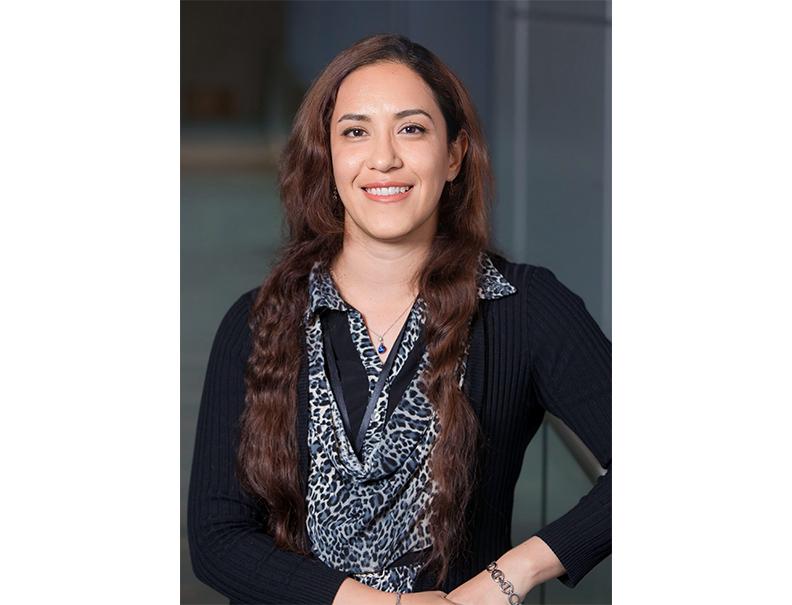
Dr. Atefeh Rayatpour was awarded the inaugural Rebecca Scott Rawn endMS Fellowship through our endMS Personnel Award competition – recognizing her outstanding potential and dedication to the MS field. Atefeh is a passionate researcher who’s helping shape the future of MS research. As a postdoctoral fellow at the Hotchkiss Brain Institute at the University of Calgary, under the supervision of Dr. Wee Yong, Atefeh is diving deep into the complexities of MS. Her research is seeking to advance our understanding of MS disease mechanisms and develop new therapies to halt disease progression.
Annual Research Competition
Through our annual research competition, we provided 50 endMS Personnel awards to support trainees who are completing their postdoctoral work or doctoral studies in the MS field. We also funded some of the most promising early career investigators who are paving the way forward for MS research in Canada! Read all about the work of some of the early career researchers.
EndMS National Training Program
We’re also thrilled to support the National Training Program. Dr. Christina Wolfson (McGill University), which offers educational and networking opportunities for trainees to improve their knowledge and skills in MS research. Every year, the program offers a unique learning opportunity through the endMS Summer School, and this year it was hosted by Drs. Jennifer McCombe and Jason Plemel at the University of Alberta on June 16-19. improve their knowledge and skills in MS research. Every year, the program offers a unique learning opportunity through the endMS Summer School, and this year it was hosted by Drs. Jennifer McCombe and Jason Plemel at the University of Alberta.
![[Participants of the 2025 endMS Summer School including trainees, researchers and staff]](/sites/default/files/styles/original/public/images/2025-12/endMS%20NTP.jpg?itok=AjfFKG0m)
The scientific agenda focused on how research discoveries and innovations, including vaccines, biomarkers and treatments, are translated into clinical practice and applied to MS care. A total of 99 attendees gathered in Edmonton to participate in this event, including trainees pursuing research in the MS field, presenters, workshop facilitators, people living with MS, and volunteers! Read more about the endMS Summer School. You can also check out the programs newsletter to learn more about their activities this year.
What a year it was! Breakthroughs in MS research don’t happen alone - they happen because of the collective efforts of our incredible MS community. Your unwavering support and dedication have allowed us to continue to push boundaries to advance knowledge of MS. Together, we can push for progress that will inspire new discoveries today and into the future.
To stay updated on MS research, read the latest in research news by subscribing to our quarterly Research in Action newsletter. You can also check out Your Guide to Exploring MS Research for ways to stay informed!
More Stories You May Like


- Log in to post comments