- Research
- October 7, 2025
Early Career Researchers – Paving the Way Forward for MS Research
We’re committed to growing the Canadian research community by supporting researchers in all stages of their career – from trainees in graduate school to new and established investigators. Since 1948, our research program has invested over $224 million dollars in research initiatives, thanks to the generous contributions of donors, sponsors, and fundraisers!
We're proud to champion the next wave of multiple sclerosis (MS) researchers who are pursuing work in key priority areas, including understanding and halting disease progression, advancing treatment and care, and enhancing well-being.
Hear directly from some of these incredible early career researchers below, as they share more about their work and how their research is helping improve the lives of people living with MS.
Understand and Halt Disease Progression
Dr. Samira Ghorbani
Assistant Professor, University of Toronto
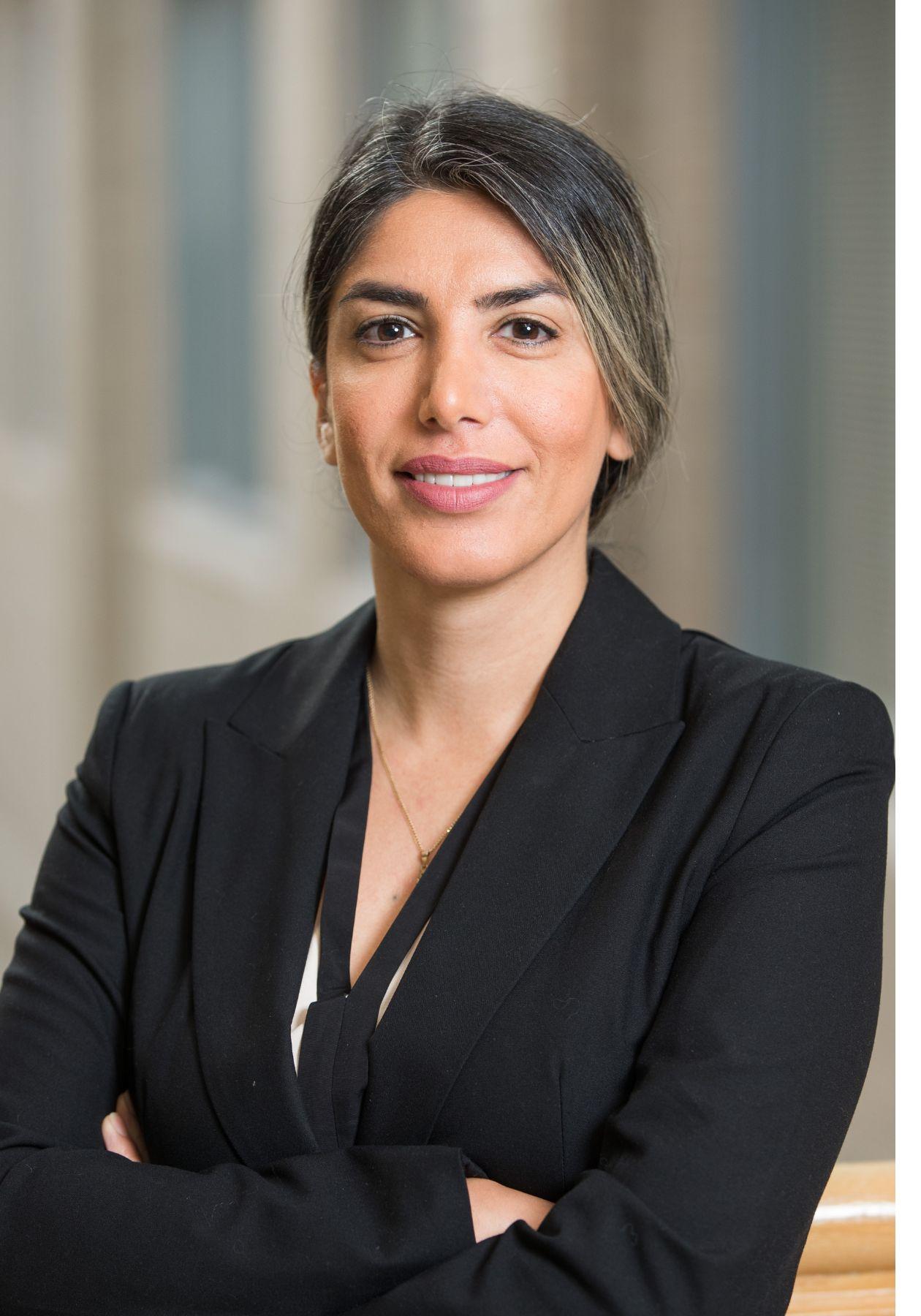
“What keeps me motivated is the unmet need in progressive MS, where treatment options are still very limited. Knowing that many people face gradual disability with few therapeutic options drives me to better understand the underlying mechanisms of MS progression.”
The brain’s capacity to repair damaged myelin becomes less effective with age, contributing to disease progression in MS. Dr. Samira Ghorbani and team are investigating whether telomere shortening, a natural process of aging, reduces the ability of nerve cells to produce and repair myelin. Dr. Ghorbani’s research aims to uncover why myelin repair declines with age in people with MS, which could lead to new strategies to restore myelin and slow disease progression.
Learn more about her research.
Advance Treatment and Care
Dr. Robert Simpson
Assistant Professor, University of Toronto
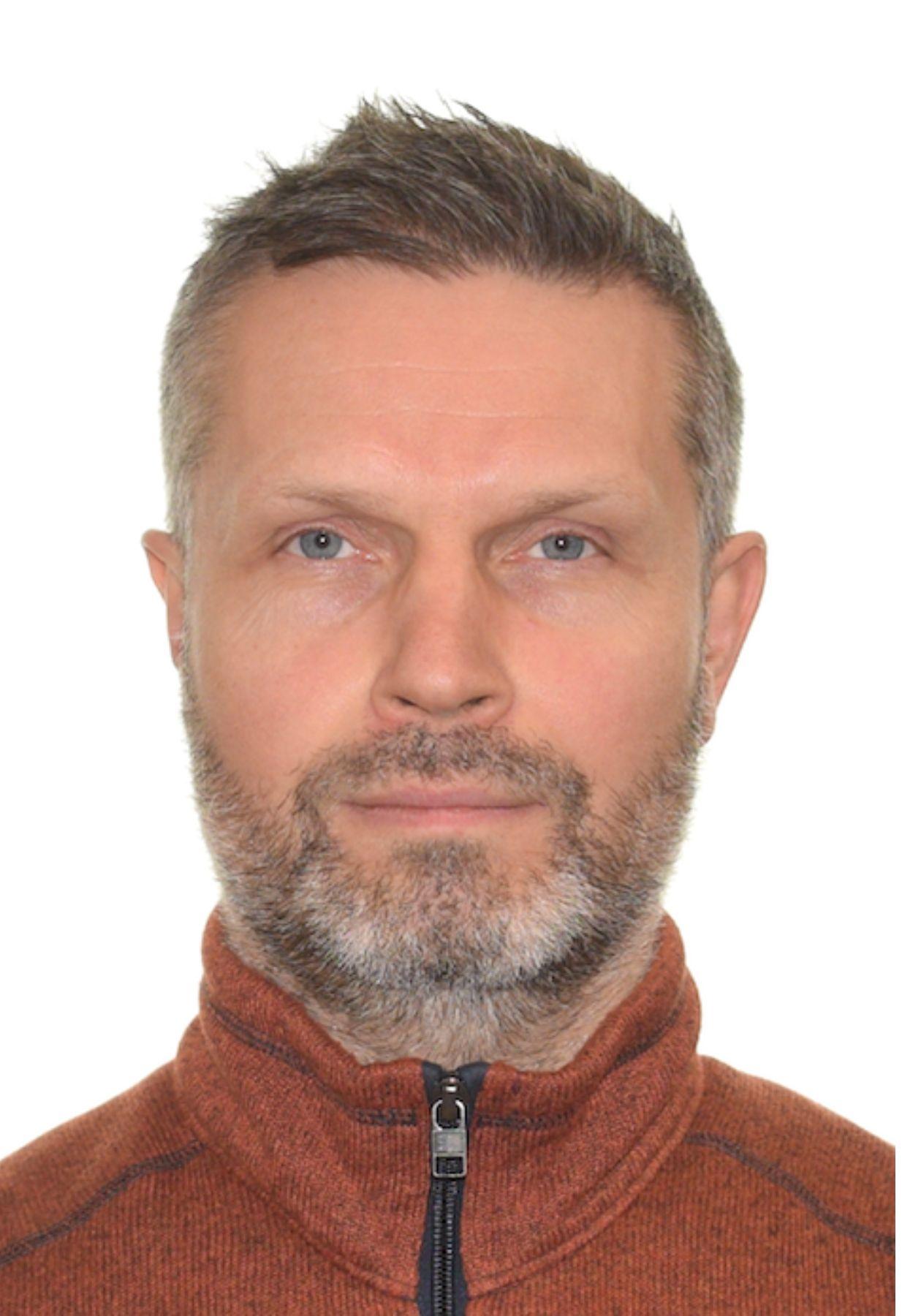
“While effective treatments for depression exist, these are not always easily accessible. We hope to develop a program that can support Canadians who are living with MS and experiencing depression, all from the comfort of their own home and on their own time.”
People with MS are at a higher risk of experiencing depression compared to the general population, which affects their overall quality of life. Dr. Robert Simpson and team will explore the use of an online course of Mindfulness-Based Cognitive Therapy (MBCT) for the self-management of depression in people with MS. They’ll also develop an online toolkit to make MBCT more accessible to people living with MS across Canada.
Learn more about his research.
Dr. Allen Chan
Assistant Professor, University of Alberta
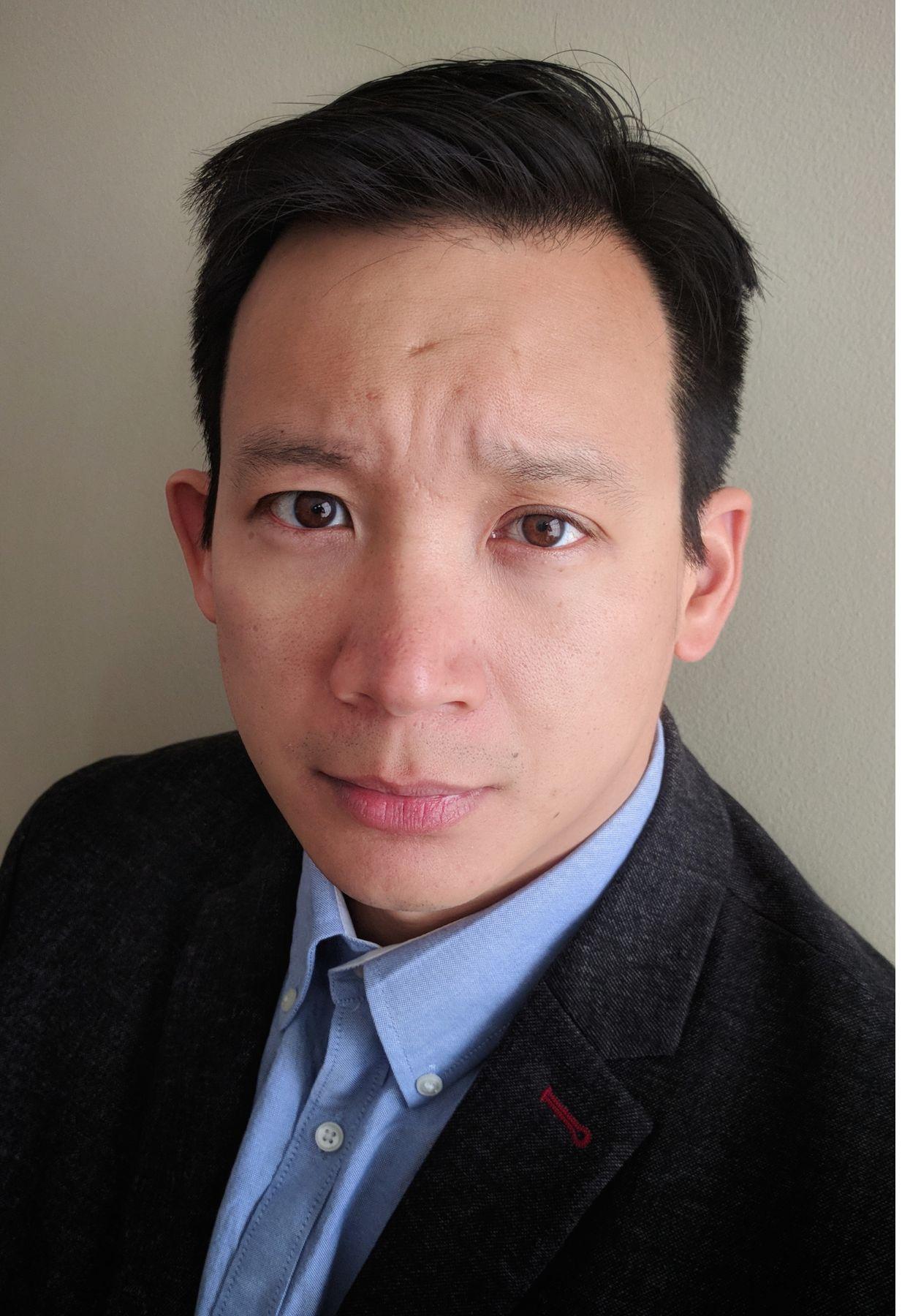
“Every imaging session gives a live view of billions of neurons working together. When we change a circuit or test a new drug, we can see the network respond within seconds. Those moments show that brain disorders are not fixed; they can be guided back toward normal function. Hearing from people with MS who live with chronic pain, and knowing that current therapies are often inadequate, keeps our team focused and motivated.”
Chronic pain affects nearly 60% of people living with MS, yet current treatments are ineffective or can cause unwanted side effects. Dr. Allen Chan and team will use a new imaging technique called ‘mesoscale imaging’ to see whether changes in brain activity lead to chronic pain in mice with MS-like disease. This research will help us better understand what causes pain in MS and could lead to new ways to treat it.
Learn more about his research.
Dr. Nabeela Nathoo
Neurologist, University of Alberta
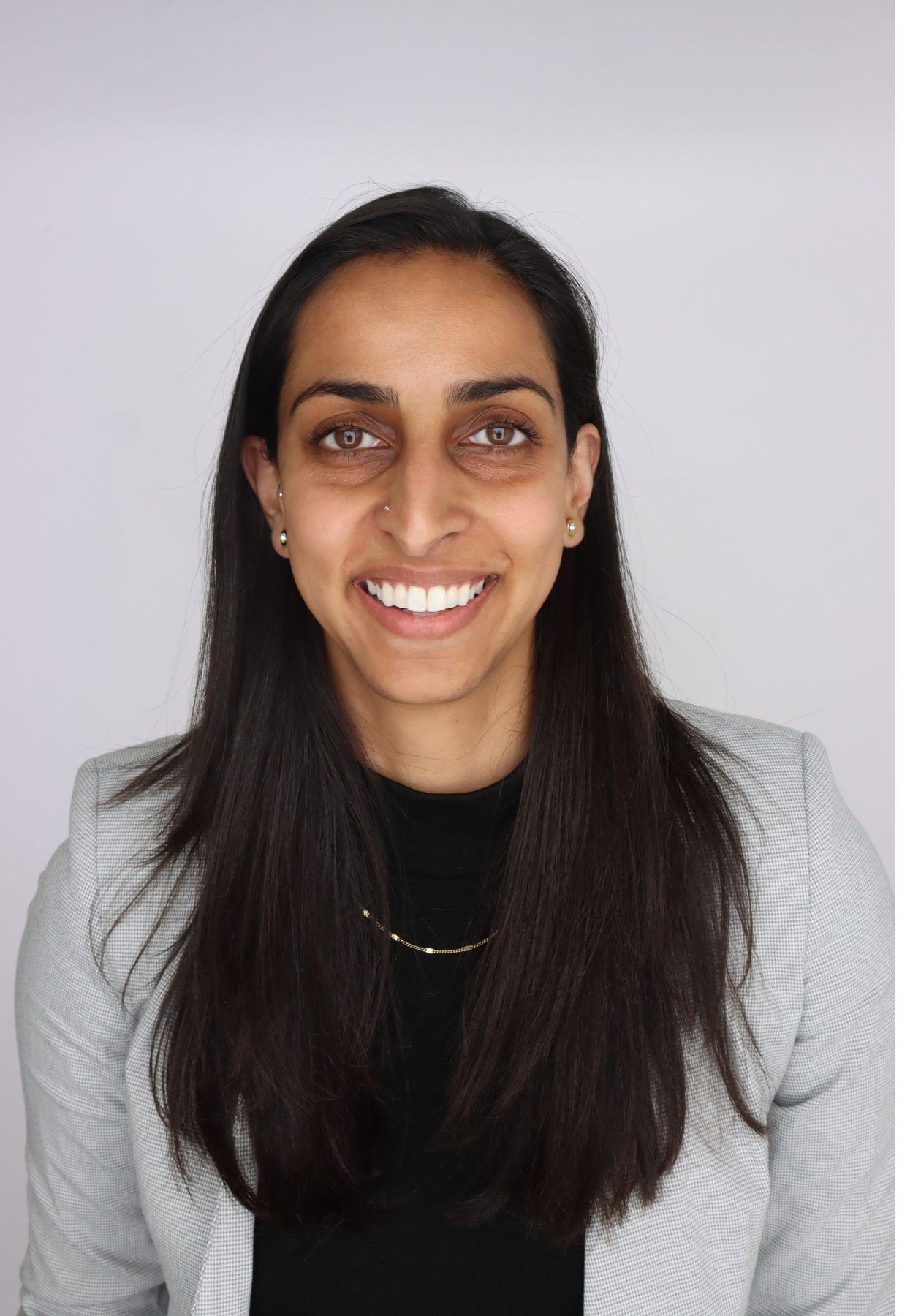
“I’m interested in underrepresented populations with MS and how their clinical and imaging features differ from better understood populations with MS. Often those from underrepresented populations have different risk factors for developing MS and can have more aggressive disease, and hence it’s important to study them – to understand their disease better, to get a better understanding of MS overall, and to optimize care for all people living with MS.”
Dr. Nabeela Nathoo and team will determine if there are differences in how MS presents itself in people who are African, Caribbean, and Black compared to White people with MS, in terms of developing severe disability or in MRI features like brain and spinal cord damage. The study has potential to guide future research and optimize disease management among historically underrepresented groups in Canada and push for more equitable healthcare for all people with MS.
Learn more about her research.
Enhance Well-being
Dr. Manav V. Vyas
Assistant Professor, University of Toronto & Neurologist, St. Michael’s Hospital
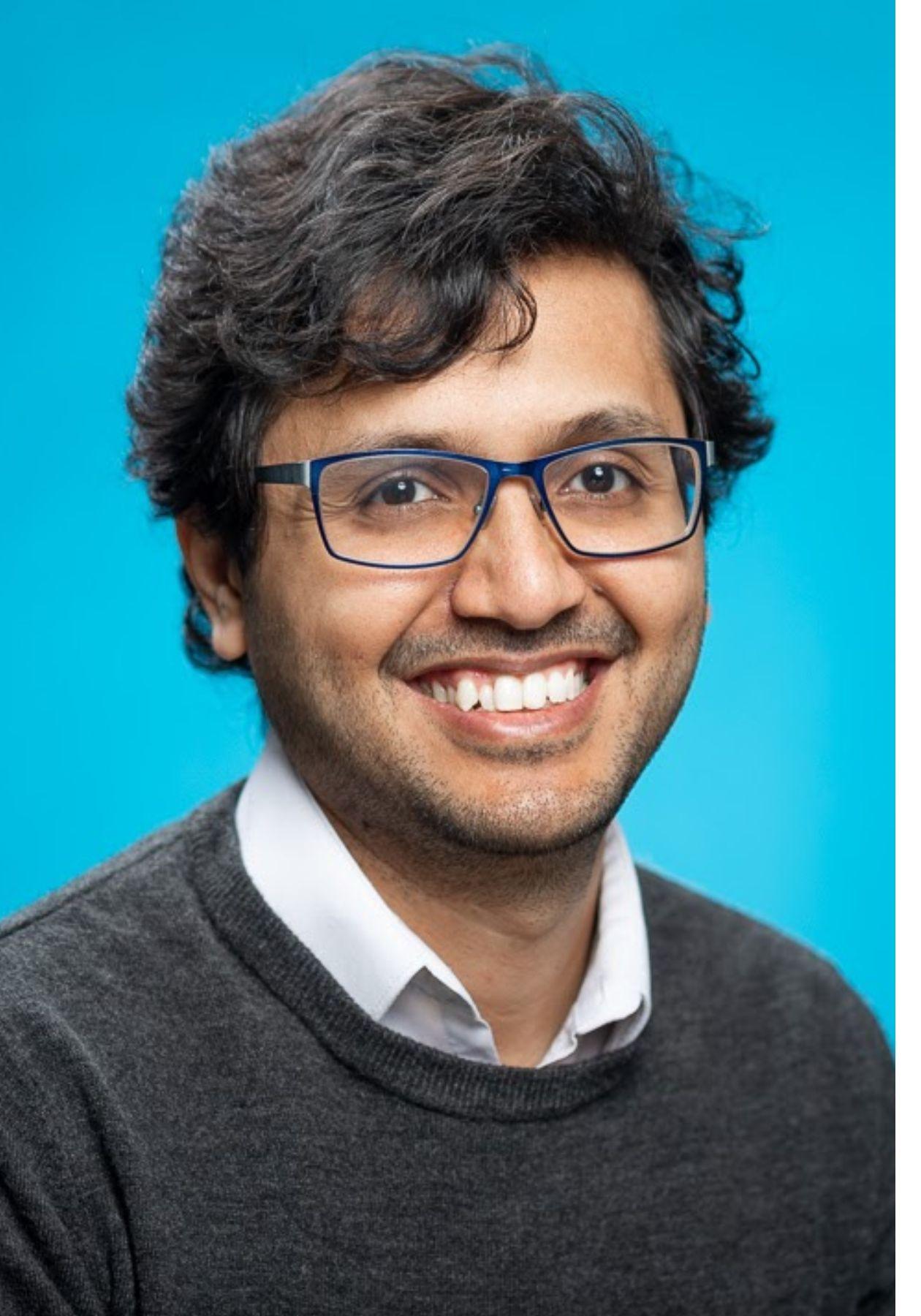
“I enjoy observing a phenomenon and exploring why it occurs, how it can be improved, and its impact on patient care. Along the way, I collaborate with a brilliant team of researchers and trainees who refine our questions and methods to develop innovative solutions.”
Dr. Manav V. Vyas and team will examine population health data from Ontario, Canada, to understand the use of plasma exchange among people with MS and related disorders. Plasma exchange is an approved second-line therapy for people with severe relapses, which requires specialized centres with trained staff. This research will help inform healthcare planning in Canada to make sure the right resources are available and that everyone with MS has fair access to this procedure.
Learn more about his research.
We're proud to support exceptional MS researchers who are advancing our understanding and knowledge of MS. Explore the full list of researchers funded through our 2025-2026 Annual Research Competition.
Want to stay informed about the latest in MS research? Our Research in Action newsletter highlights news in MS research, from the latest research updates to opportunities to participate in studies. Subscribe today to receive quarterly updates!
More Stories You May Like


- Log in to post comments